Transportation
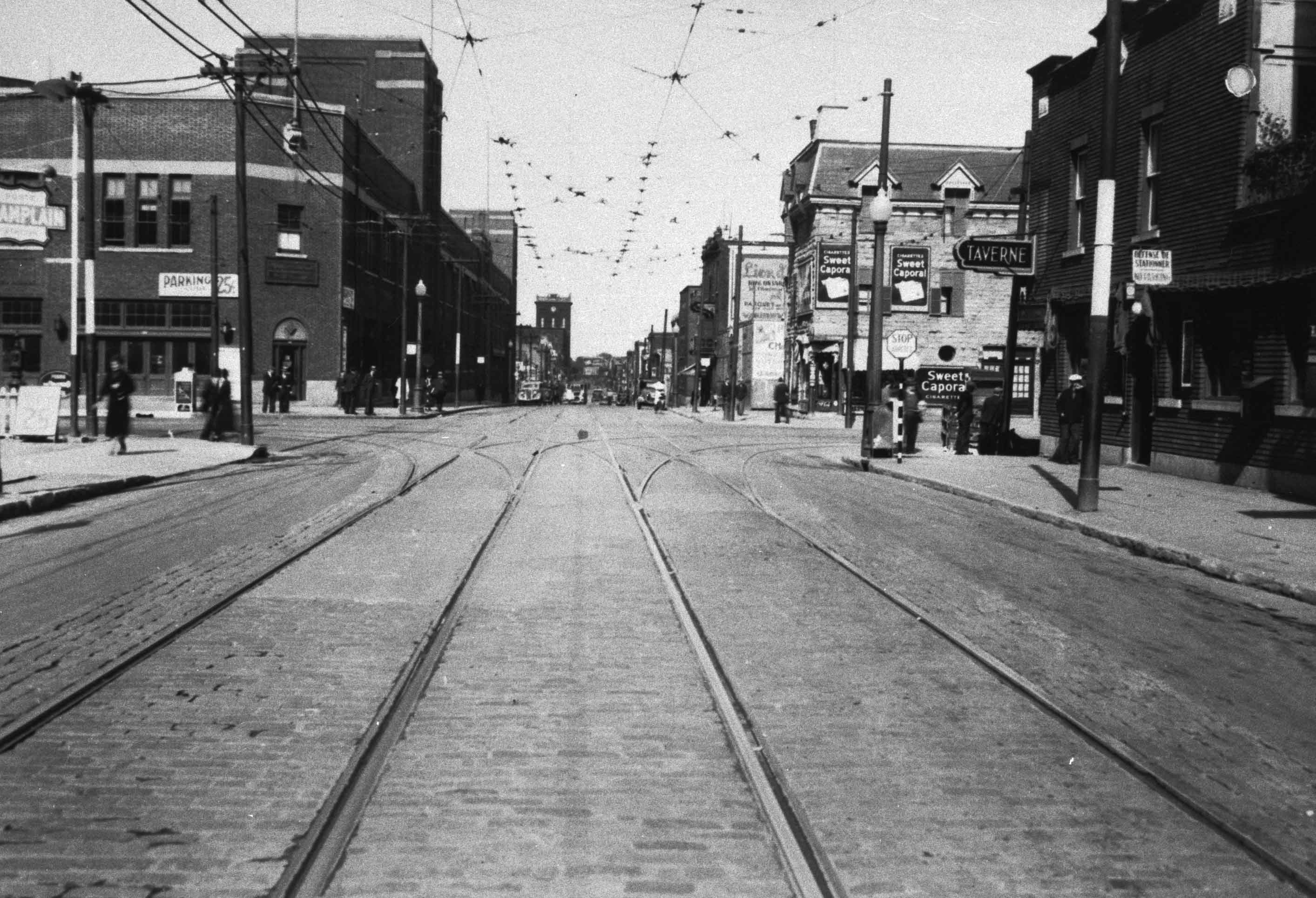
The Sainte-Marie current is a geomorphological feature of the St. Lawrence River which gave its name to the Sainte-Marie district. In past centuries, and before the steamboat was invented, it was a danger to travel on the river- the natural hazard caused by the current often forced navigators to stop and have their boats towed in order to cross it. It was on the edge of this current that a working-class neighbourhood grew, which over time has been known as the Faubourg Québec, Faubourg Sainte-Marie and “Faubourg à m’lasse” (Molasses Suburb).
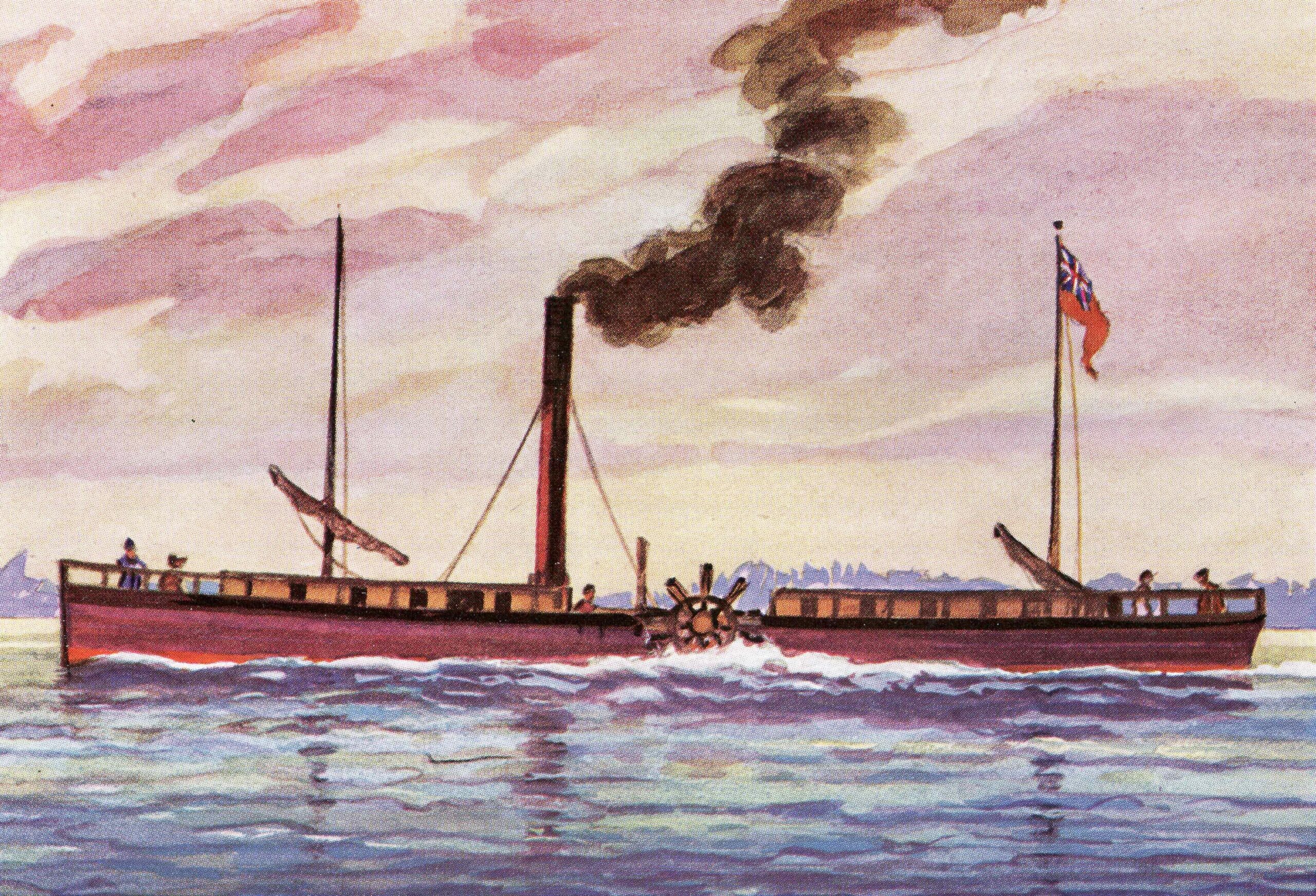
- First trip to Quebec City: 1809
As the first steamboat to sail the St. Lawrence River, the Accommodation symbolizes a major revolution in marine transportation in Canada. Built by John Molson, the Accommodation offered both public and commercial shuttle services between Montreal and Quebec City as early as 1809.
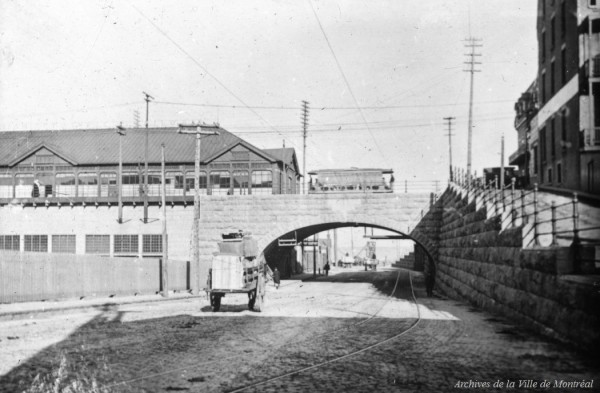
- Location: 417 Berri Street
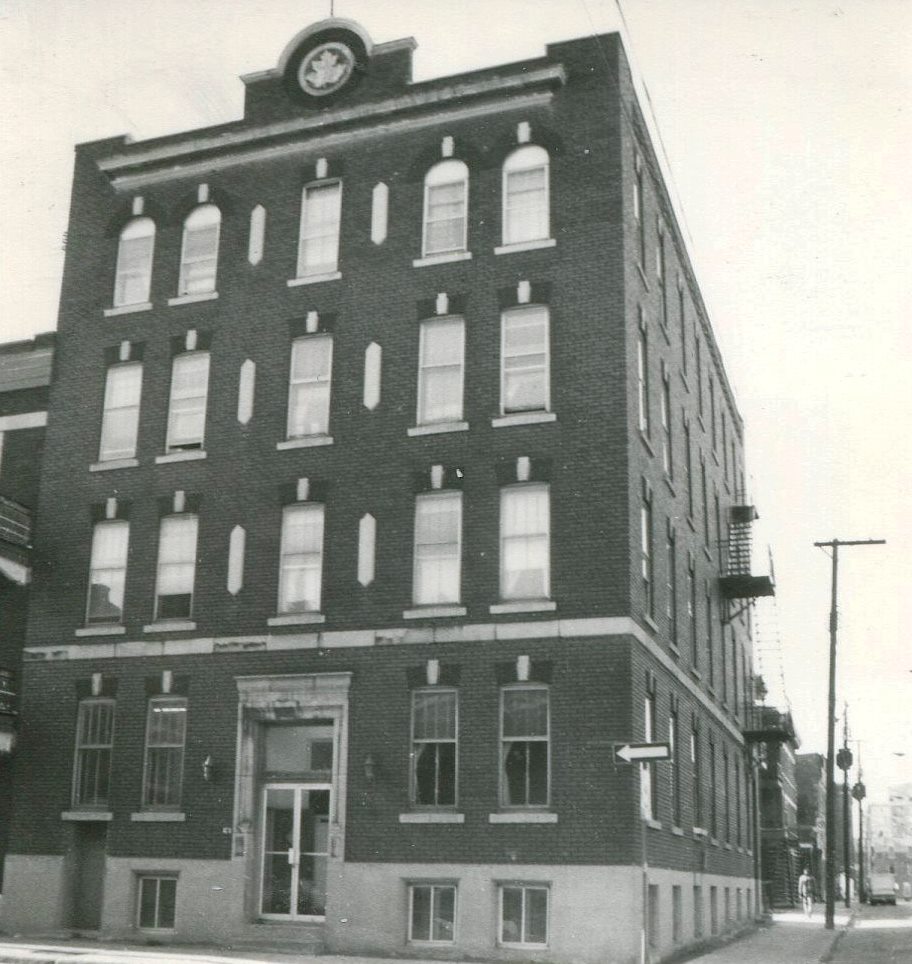
Montreal established itself as a hub for transportation and national trade in the 19th century. Completed in 1884, the Dalhousie Station is a reminder of the glory days of the Canadian Pacific Railway. The station initially offered routes between Montreal and Winnipeg. By the summer of 1886, C.P. inaugurated the first passenger train between Montreal and Port Moody, British Columbia, which was their first transcontinental route. The building was eventually restored to house the National Circus School, and is now home to Cirque Éloize.
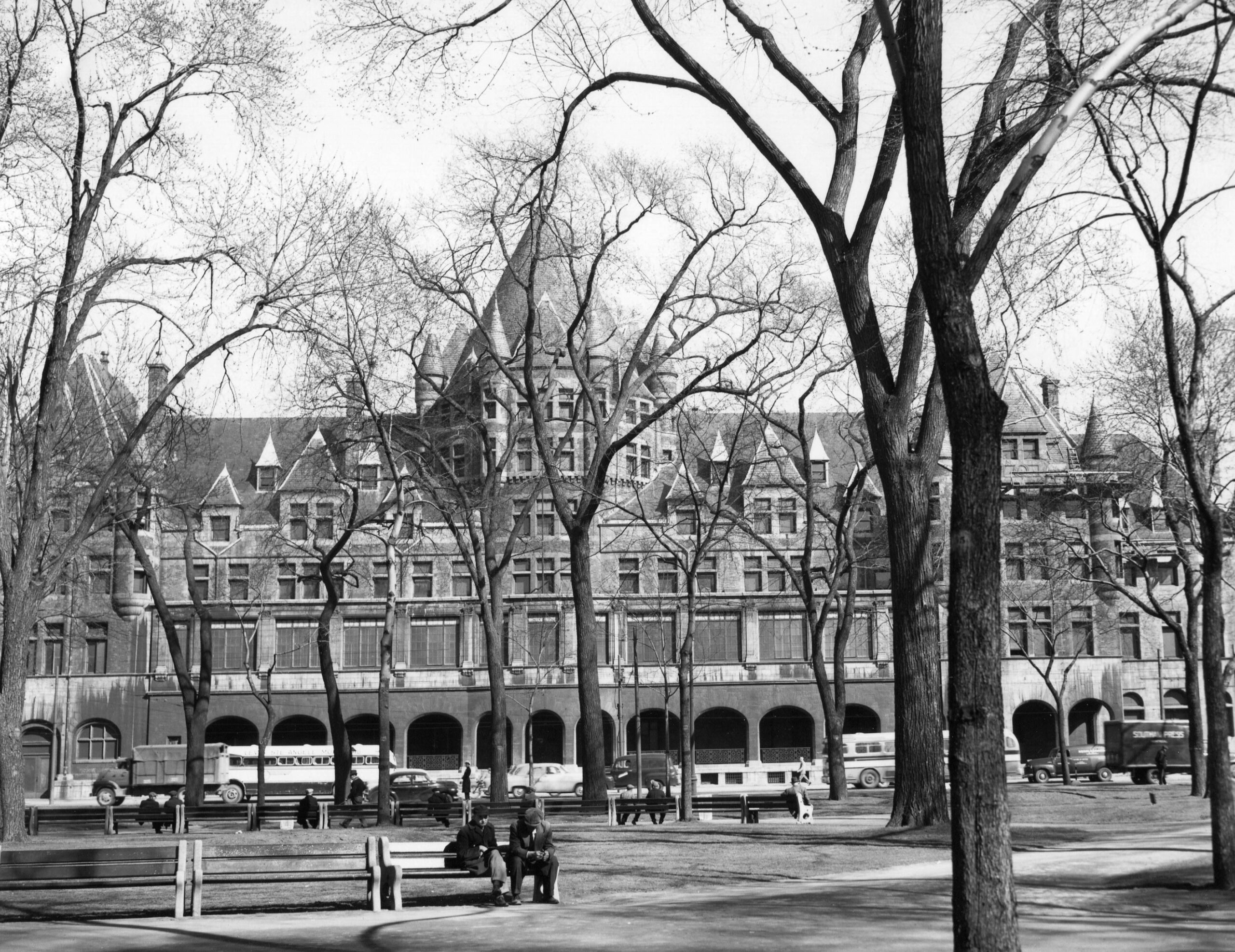
- Location: 700 Saint-Antoine Street East
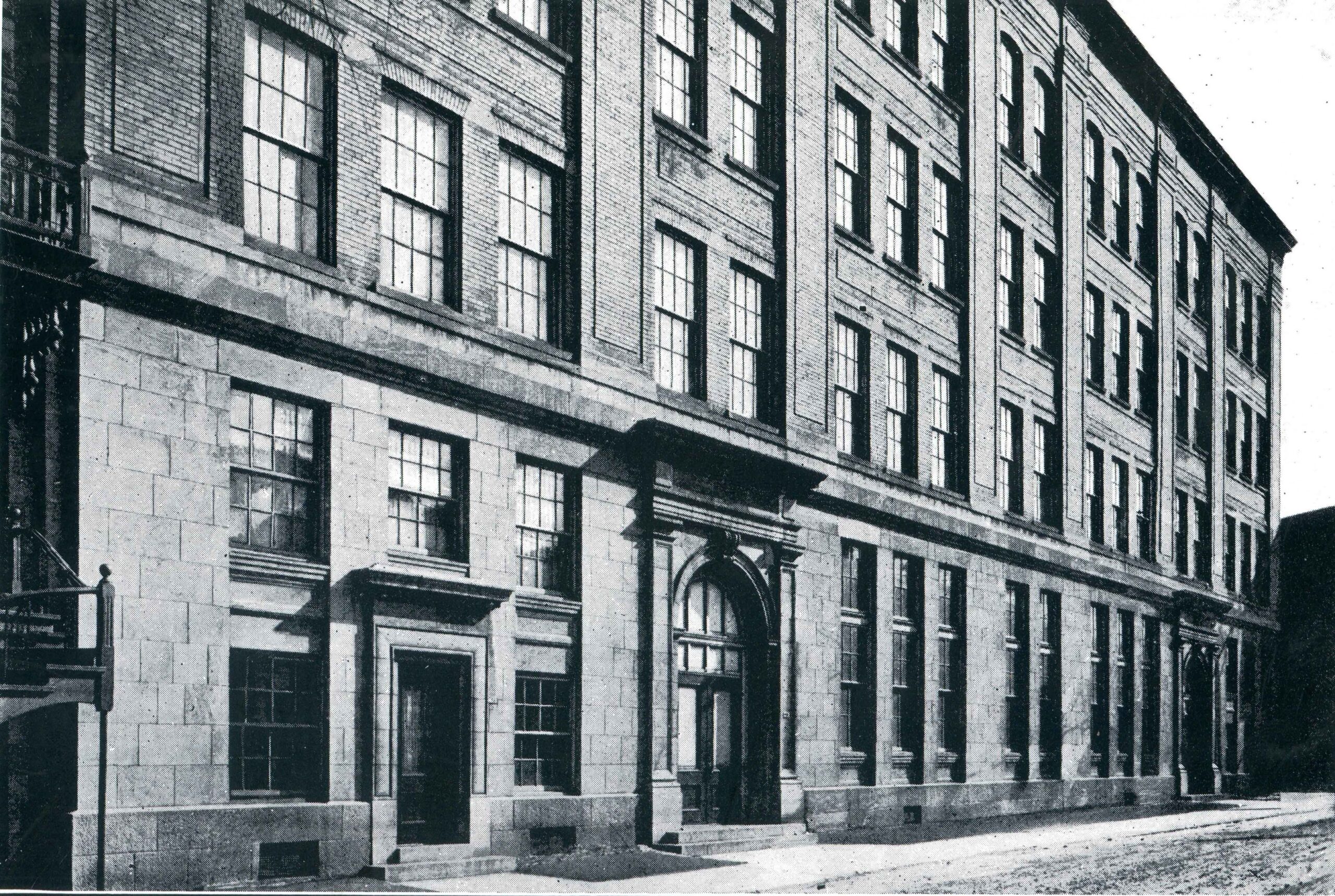
The Viger Hotel and Railway Station was built in 1898 by the Canadian Pacific Railway. The chateau-style terminal offered transcontinental stopovers, in addition to connecting the metropolis to Quebec City and the Laurentians. The economic crisis of the 1930s led to its closure despite strong protests from the French-speaking bourgeoisie in city’s East End. The building was later purchased by the City to become the Jacques-Viger Building.
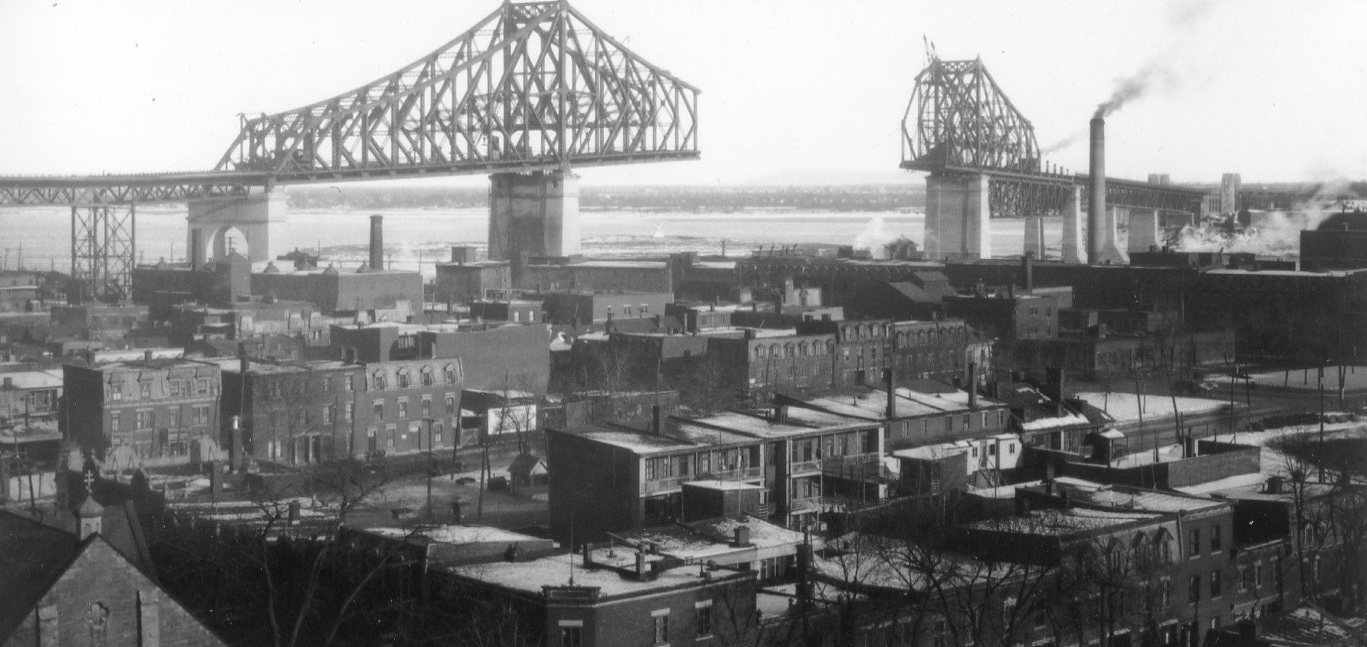
- Years of construction: 1925-1930
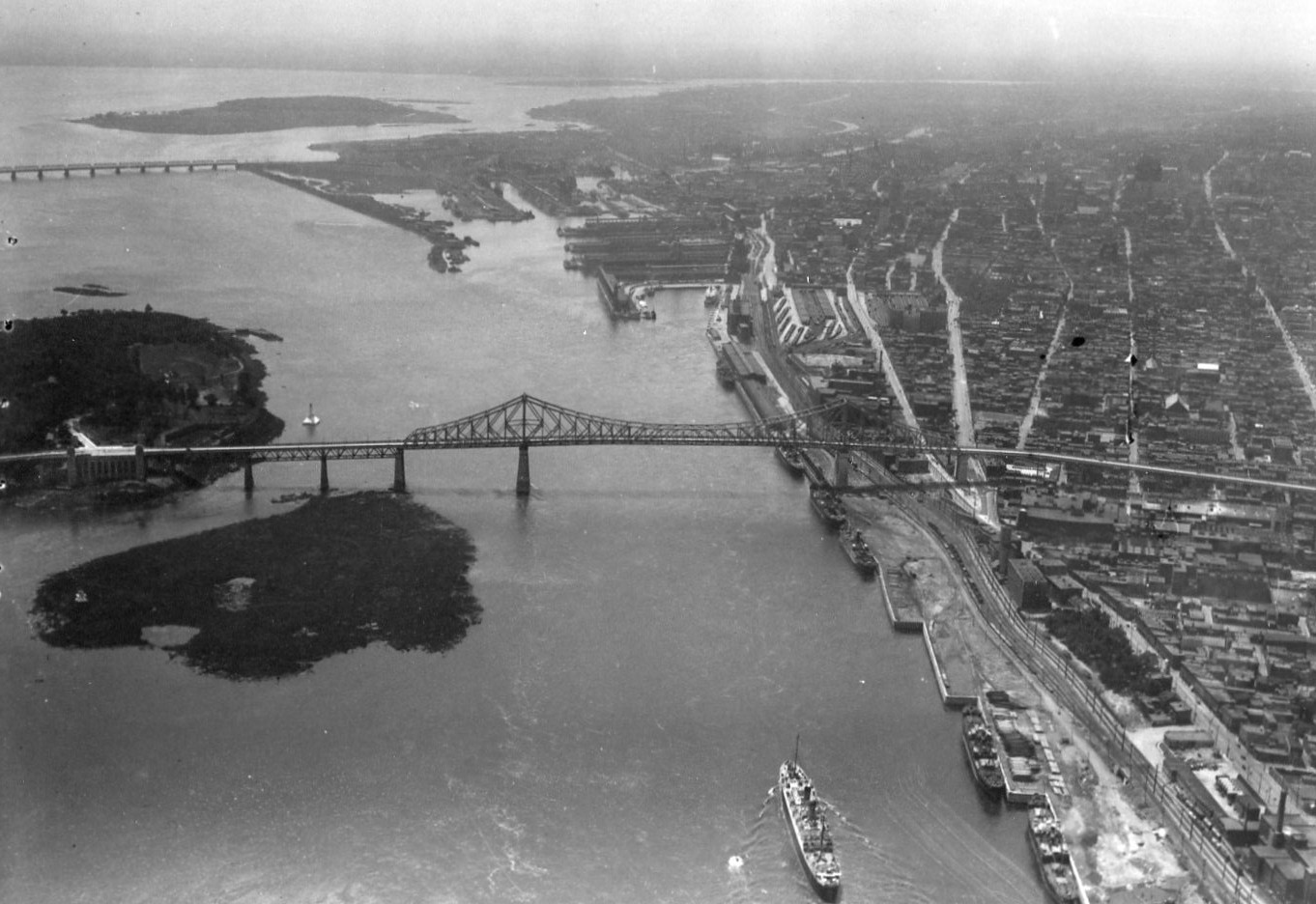
Built in the late 1920s, the Jacques Cartier Bridge connects the island of Montreal to the South Shore and provides access to Île Sainte-Hélène. Its steel structure features three sweeping curves that give it its unique and recognizable shape. The bridge has had a considerable impact on the urban development and economic activities of Sainte-Marie- it is a physical reminder of early 20th century industrialization and development, and is an iconic piece of Montreal architecture.
Ecomuseum Collection