Explore the key moments that have shaped the history of the Ecomuseum.

A little history…
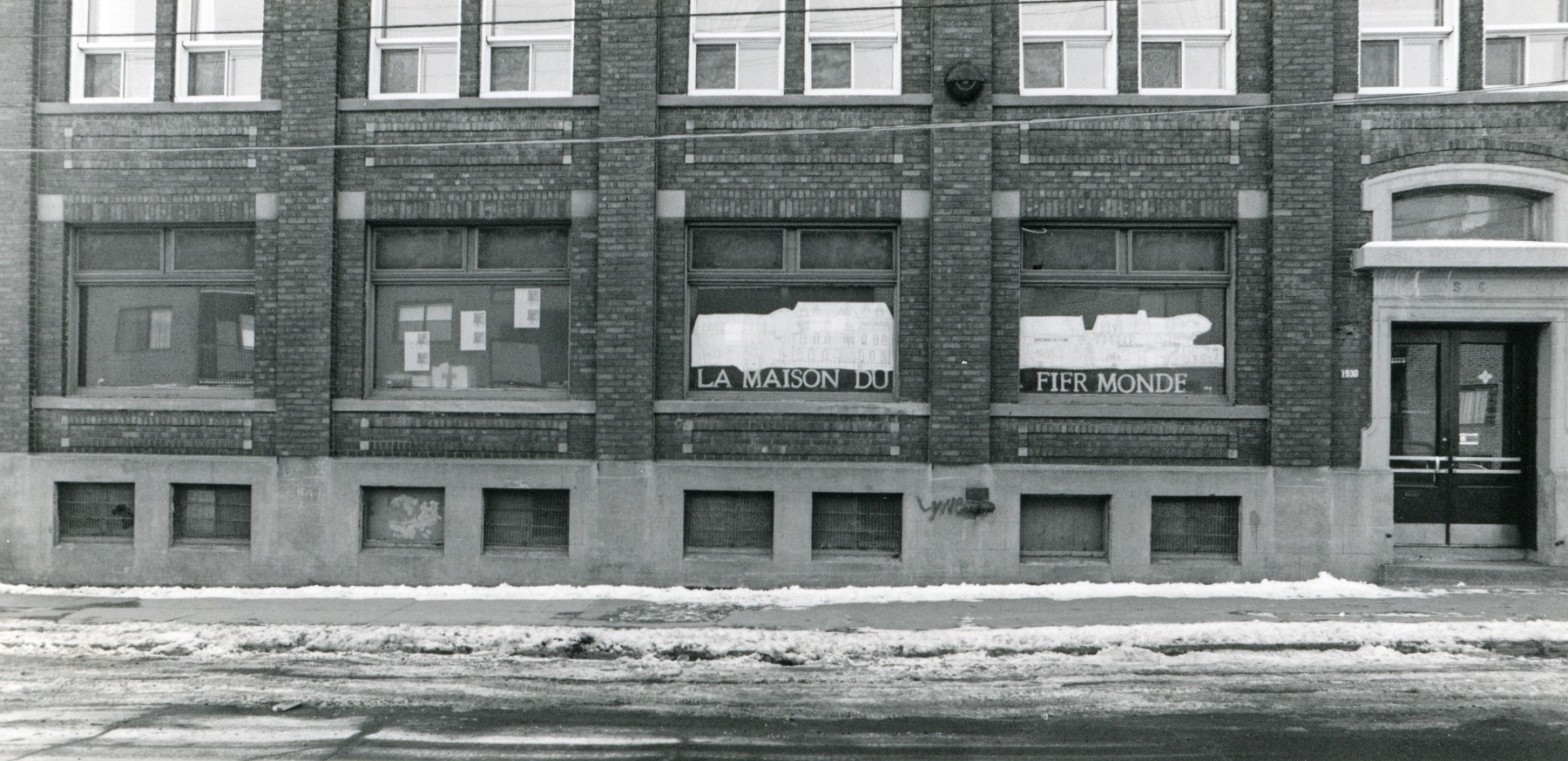
One of a kind in Quebec
In the 1970s, the Centre-Sud neighbourhood, Montreal’s former industrial stronghold, underwent a period of deindustrialization, demographic decline, and economic crisis. Faced with these challenges, the population rallied around community groups to offer services, promote mutual aid, and defend their rights. One of these groups, Habitations communautaires Centre-Sud, was tasked with developing housing cooperatives.
It was within this organization that the idea of a museum for the neighbourhood emerged in 1980: a “Maison du fier monde” (House of Proud People), later renamed an ecomuseum when it was incorporated. This makes our institution unique in Quebec in three ways. First, it is the only one to have its roots in a community organization. Second, it is the first urban ecomuseum. Finally, it breaks new ground by telling the story of labour and industrialization, a narrative often neglected by traditional museums.
Since its inception, the Écomusée has developed a special bond with the public: it highlights the history of working-class neighbourhoods and the daily lives of working families, which until then had often been ignored by most museums in Quebec.
Some Important Milestones
1980
A museum committee is formed, bringing together facilitators and residents from neighbourhood cooperatives. Michel Gendron, Gérald Lafleur, Bertheline Méthot, Jeanne Noël, Claude Watters, and several others meet on an ad hoc basis. They are joined by Pierre Mayrand, a museology specialist from the Université du Québec à Montréal, and a group of students: René Binette, Hélène Blouin, Lisette Cloutier, Anne-Marie Faugère, and Micheline Lortie.
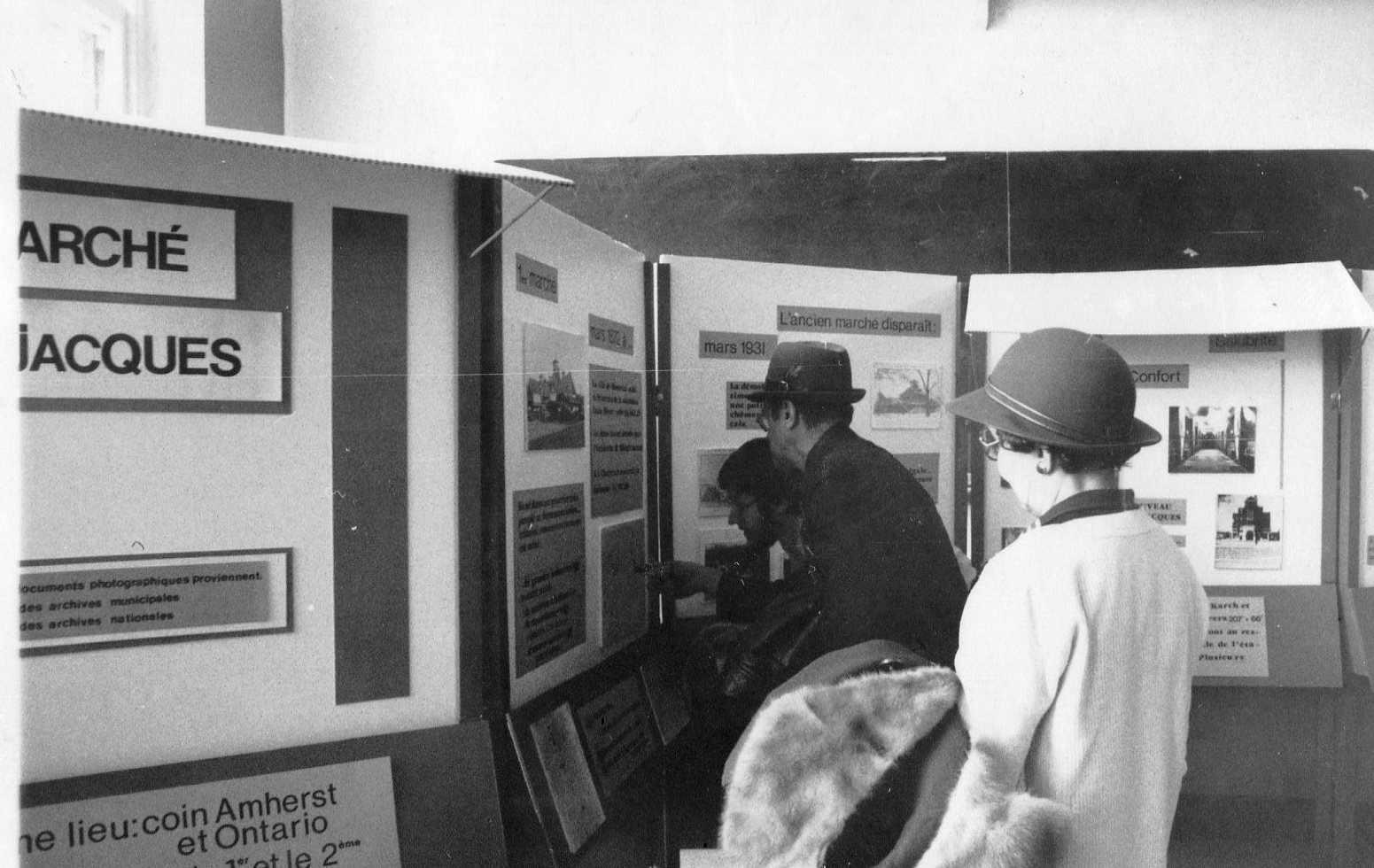
1981
The first exhibition, From Yesterday’s Market to Tomorrow’s Museum, is paired with a community festival.
1982
The organization becomes a legal entity under the name Écomusée de la Maison du fier Monde Inc. The founding general meeting is held, and the first board of directors is elected, with Michel Gendron appointed as the first president.
1984
The Écomusée moves into the third floor of the former Saint-Eusèbe school on Rue de Rouen.
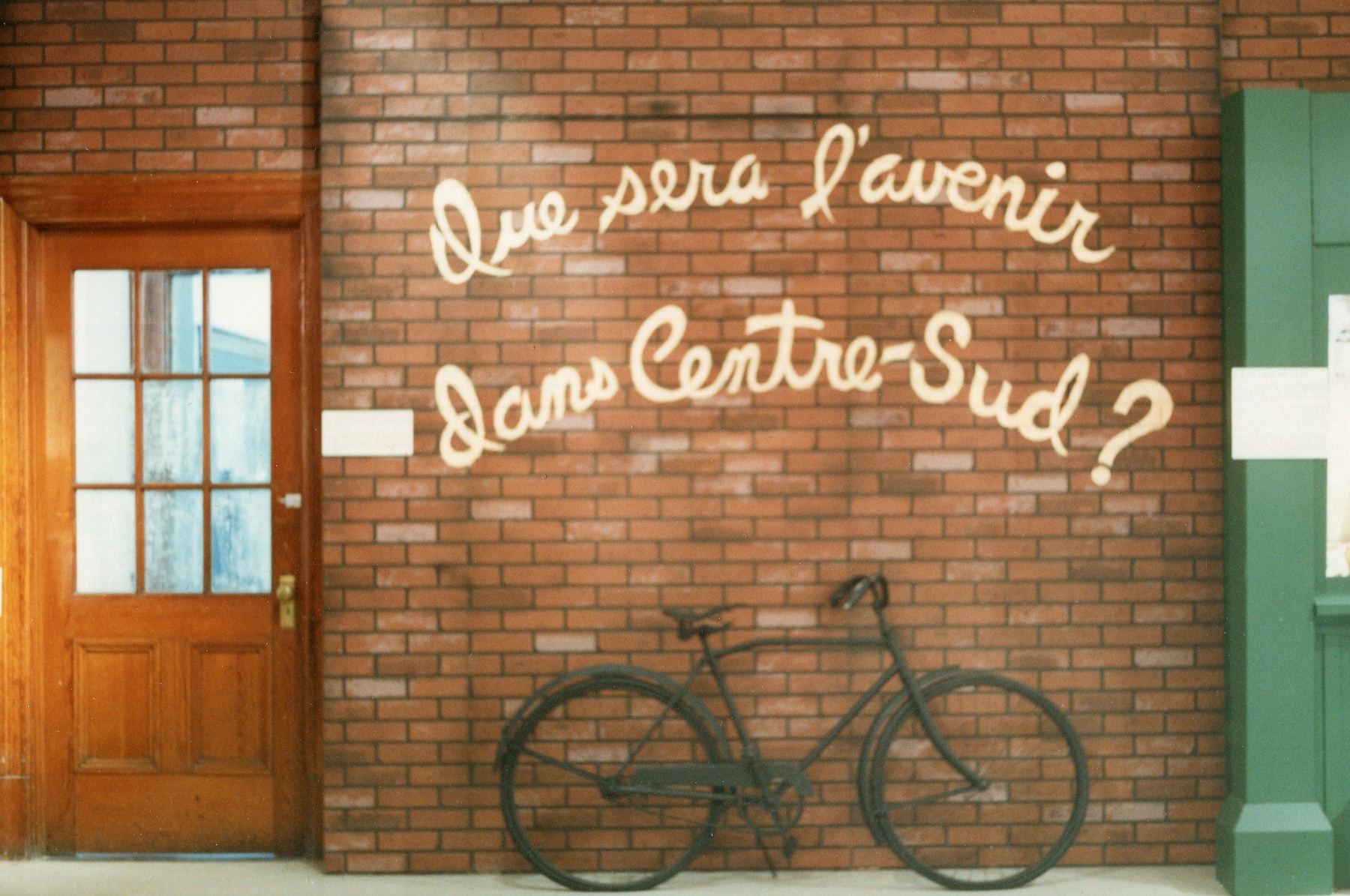
1987
The first permanent exhibition, entitled Journey through the Centre-Sud is inaugurated to showcase the history and culture of the neighbourhood.
1993
The A Changing Industrial Landscape project is launched in collaboration with historian and professor Joanne Burgess to compile an inventory of the neighbourhood’s industrial heritage, which leads to several exhibitions and a publication.
1995
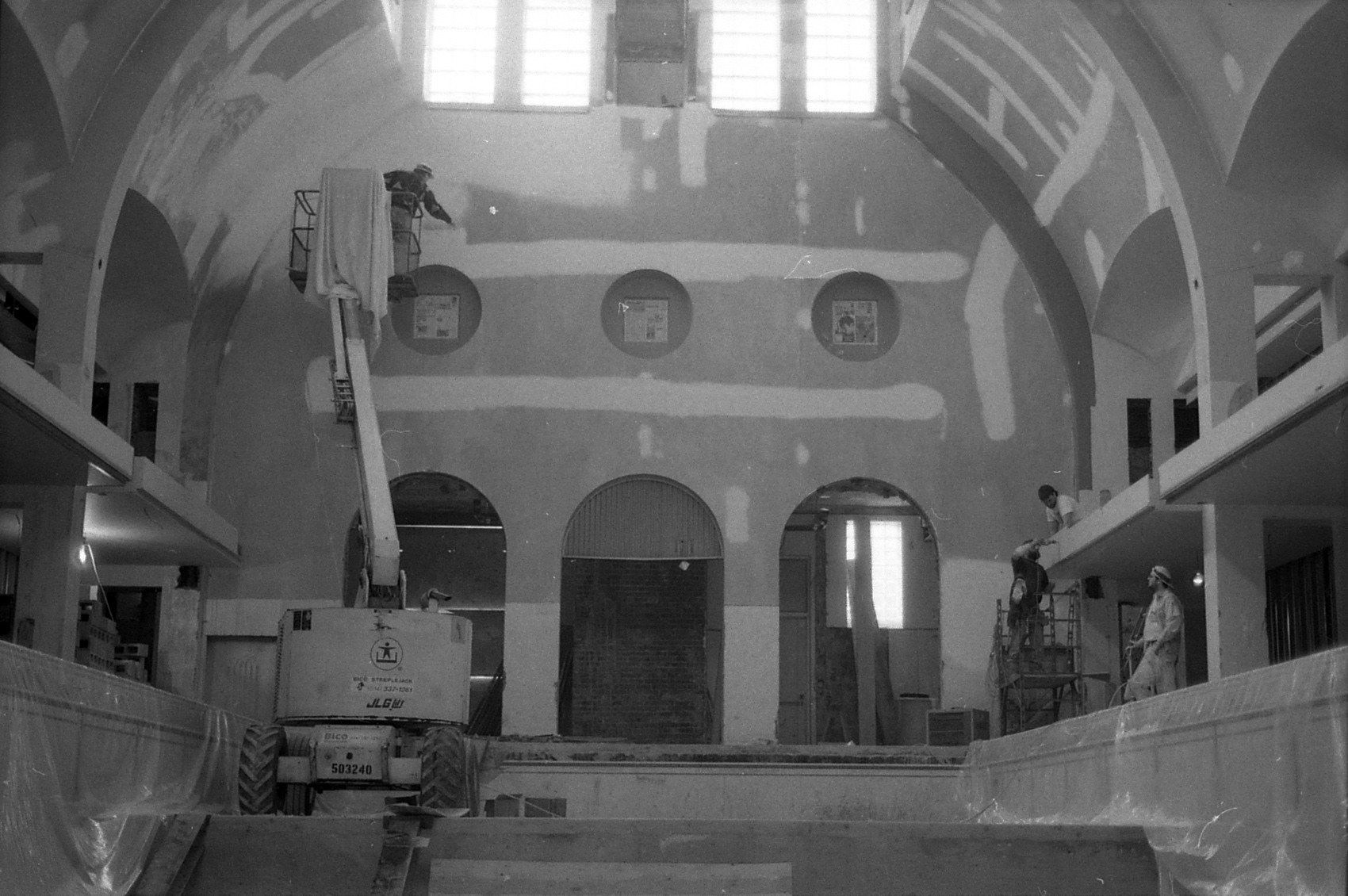
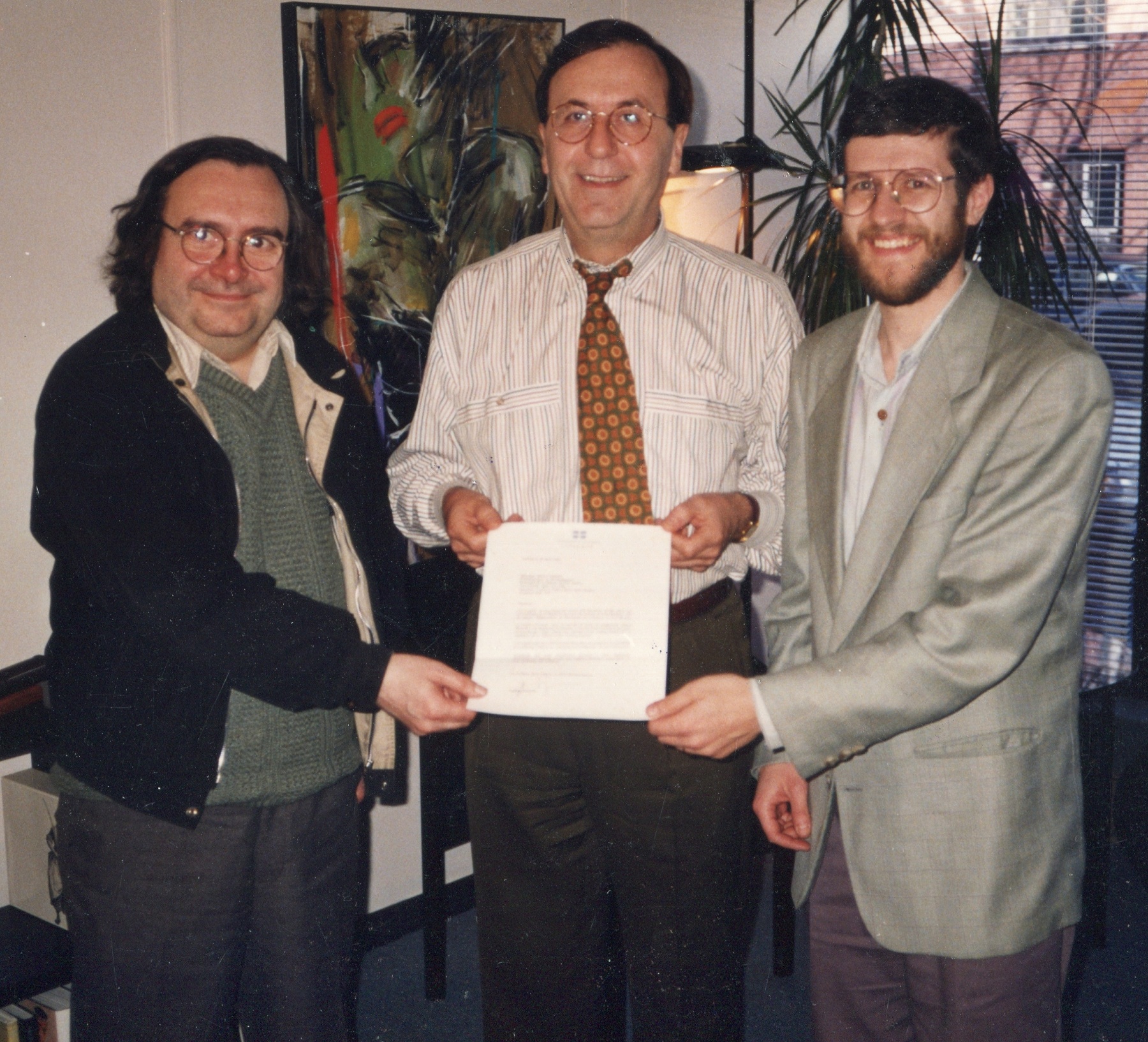
The City of Montreal officially announces the transfer of the Généreux Bath to the Écomusée. The Quebec government provides more than $1 million in financial support for the renovation work.
1996
The Écomusée’s new permanent premises are inaugurated in the former Généreux Bath, which also houses a new permanent exhibition: All the Livelong Day! The Joys and Sorrows of Life in a Working-Class Neighbourhood. The Quebec Ministry of Culture and Communications grants the Écomusée accredited museum status.
2001
The first edition of the Écomusée’s annual benefit auction, which aims to showcase local contemporary artists while supporting the museum’s initiatives, is organized.
2007
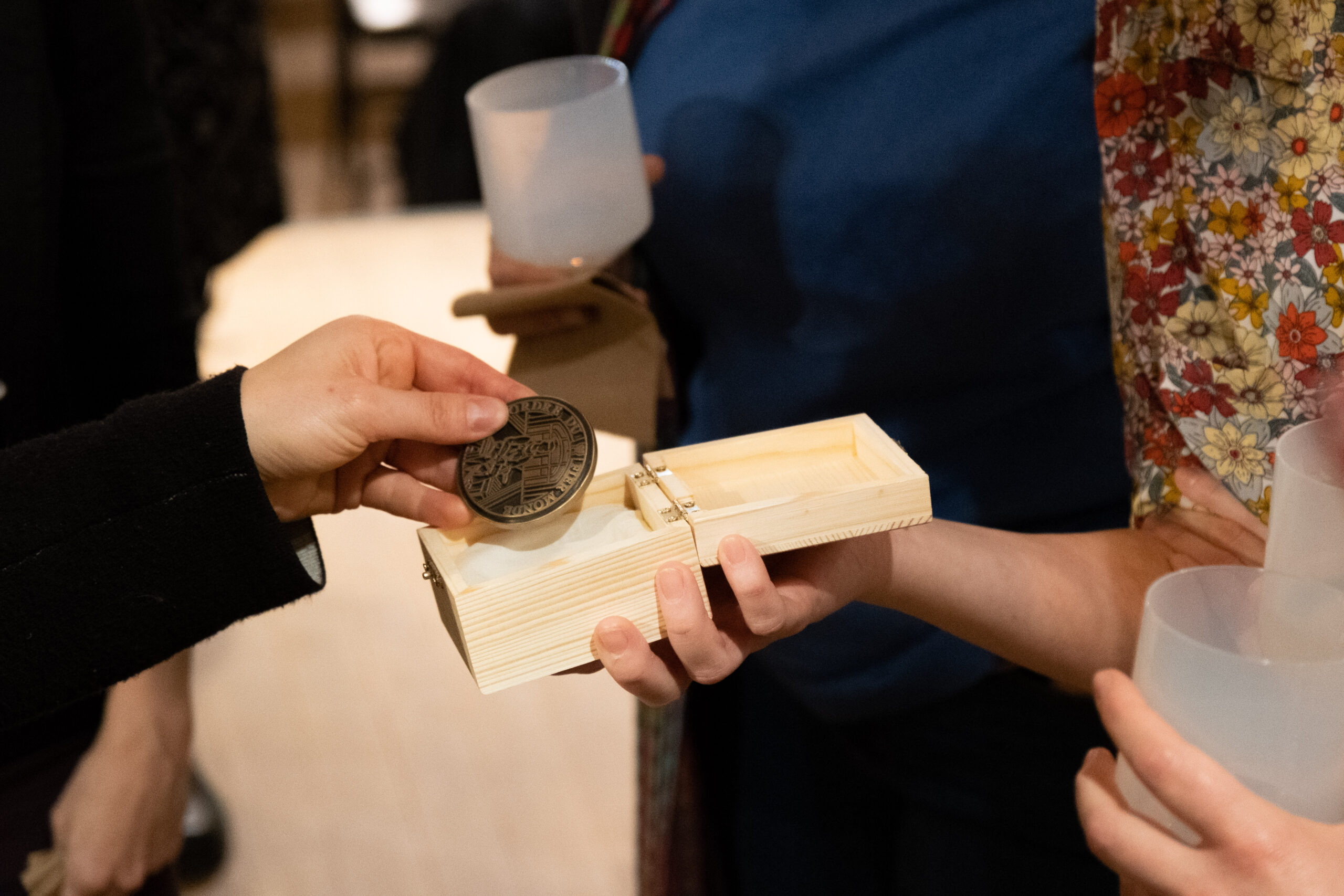
The “Ordre du fier monde”, an honorary distinction awarded to individuals or organizations that have made an exceptional contribution toward the development of the Écomusée, is created.
2011
The Ecomusée follows an ecomuseum collection policy. This collection comprises heritage elements from the Centre-Sud neighbourhood that are recognized for their symbolic and representative value. These elements were selected through a participatory process in which the community played an active role in identifying and highlighting their cultural heritage.
2018
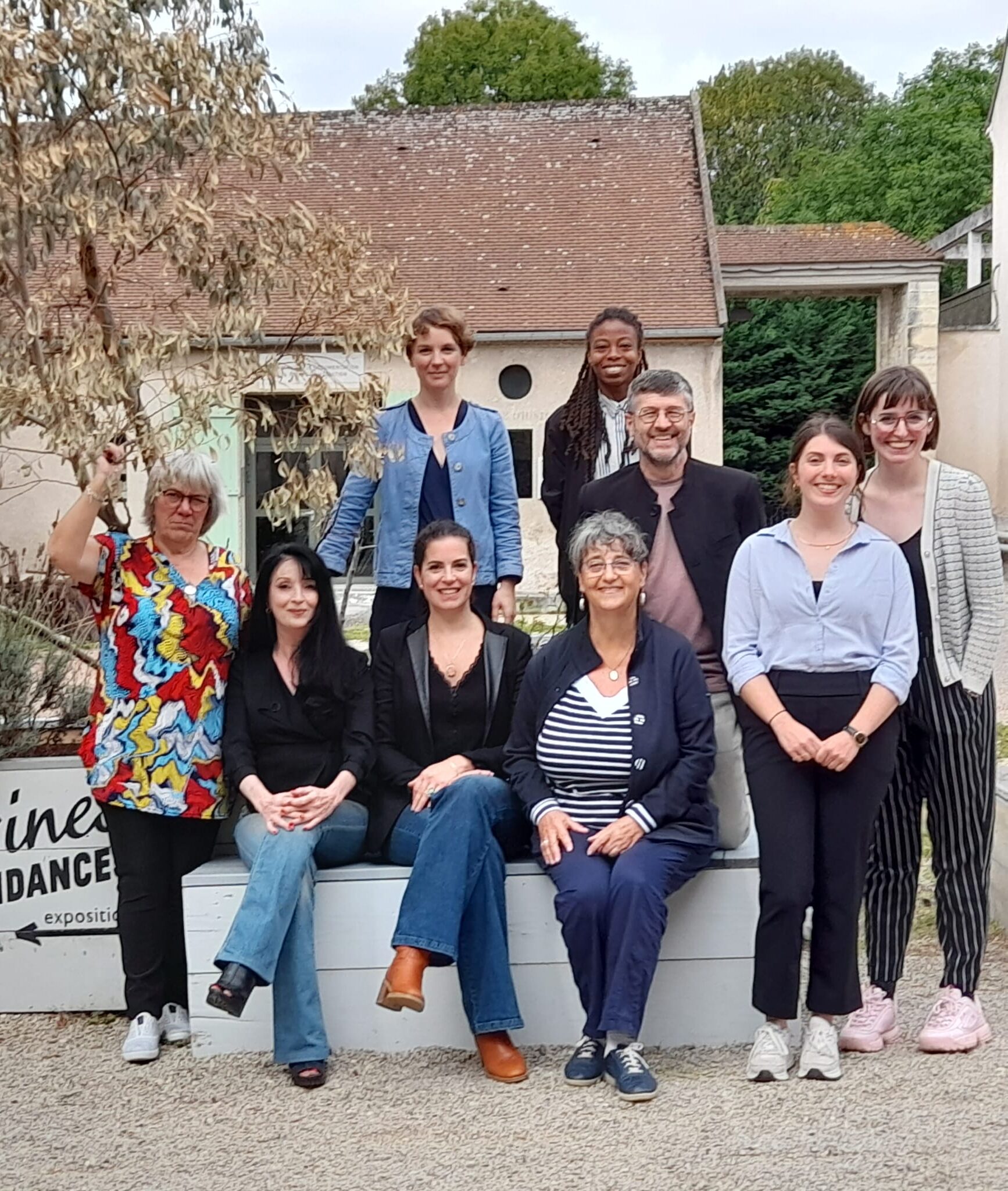
The Écomusée du fier Monde and the Écomusée du Val de Bièvre (now the Écomusée de Fresnes | Grand-Orly Seine Bièvre) are embarking on a collaboration to develop the concept of an ecomuseum collection. Located in the Paris suburbs, on the Cottinville farm in Fresnes, this ecomuseum’s mission since 1979 has been to collect, document, and transmit the heritage of its territory.
2020
The Ecomusée is embarking on an eco-design initiative with Écoscéno, a non-profit organization dedicated to accelerating the ecological transition by promoting the circular economy and proposing solutions to reduce the environmental footprint of cultural productions.