Religious buildings
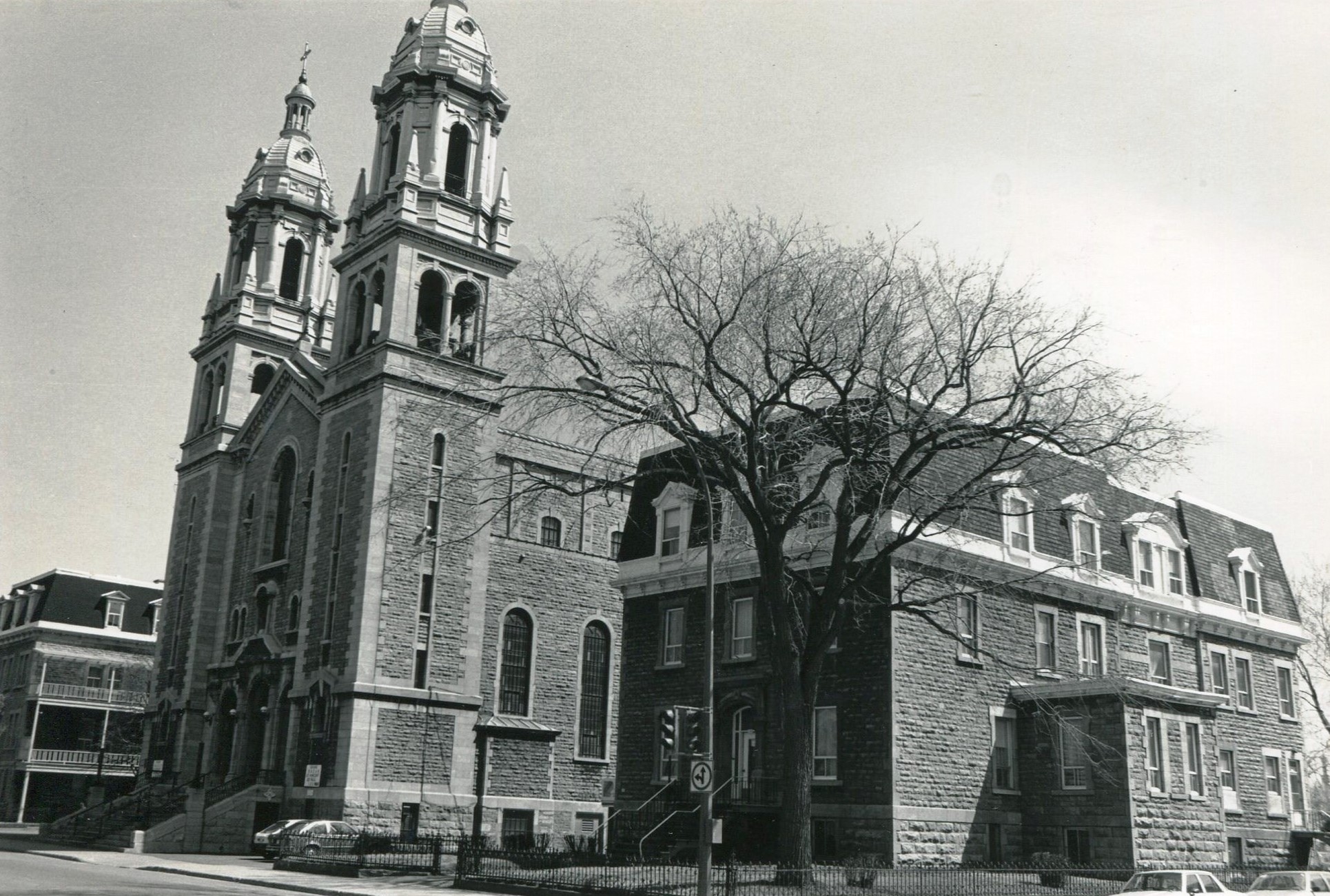
- Location: 2310 Sainte-Catherine Street East
Saint-Vincent-de-Paul Parish was founded in 1867, following the dismantling of Notre-Dame Parish, which had been the only Catholic parish in the city until that point. The original church was built in 1876, and was destroyed by fire in 1924. It was then rebuilt according to the plans of architect Ludger Lemieux. In 2007, the church and its rectory were sold to an evangelist group who renamed the site Église de la parole de vie (“Church of the Word of Life”).
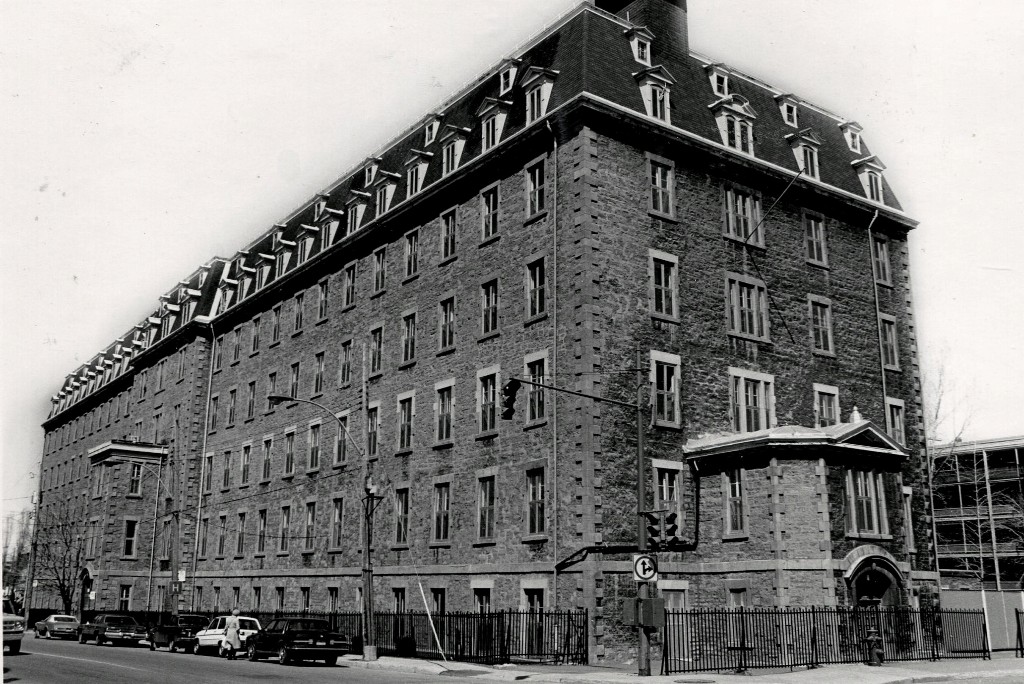
- Location: 1434 Fullum Street (at the corner of Sainte-Catherine Street)
Located in the southern part of the Sainte-Marie neighbourhood, the Monastery of the Sisters of Providence was a convent and now stands as a heritage site. The building is a reminder of the importance of the religious community founded by Émilie Gamelin in the mid-19th century to meet the needs of the poor, sick and destitute. The Monastery underwent a major transformation in 2011 with a view to house social services and create housing for seniors.
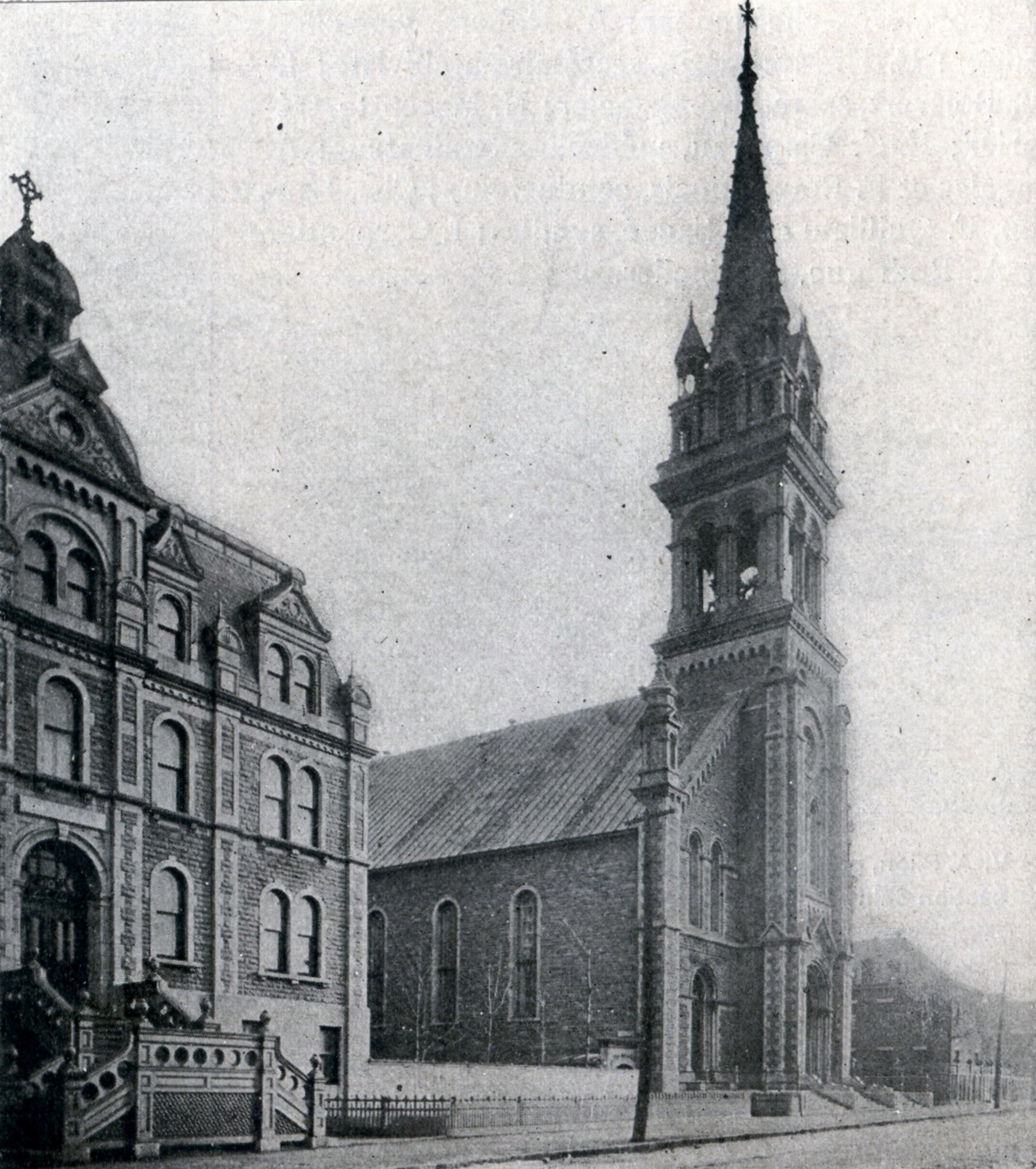
- Location: 1151 Alexandre-de Sève Street
Founded in 1867, the Sainte-Brigide-de-Kildare parish was originally created to cater to a growing Irish community in the east part of the city. Ultimately, the Irish were given another place of worship and Sainte-Brigide became a French-Canadian parish. Since its reclassification in 2006, the site has undertaken a social and cultural mandate led by the Sainte-Brigide Community and Cultural Center. Today, the site is an inspiring example of the reclassification of religious heritage.
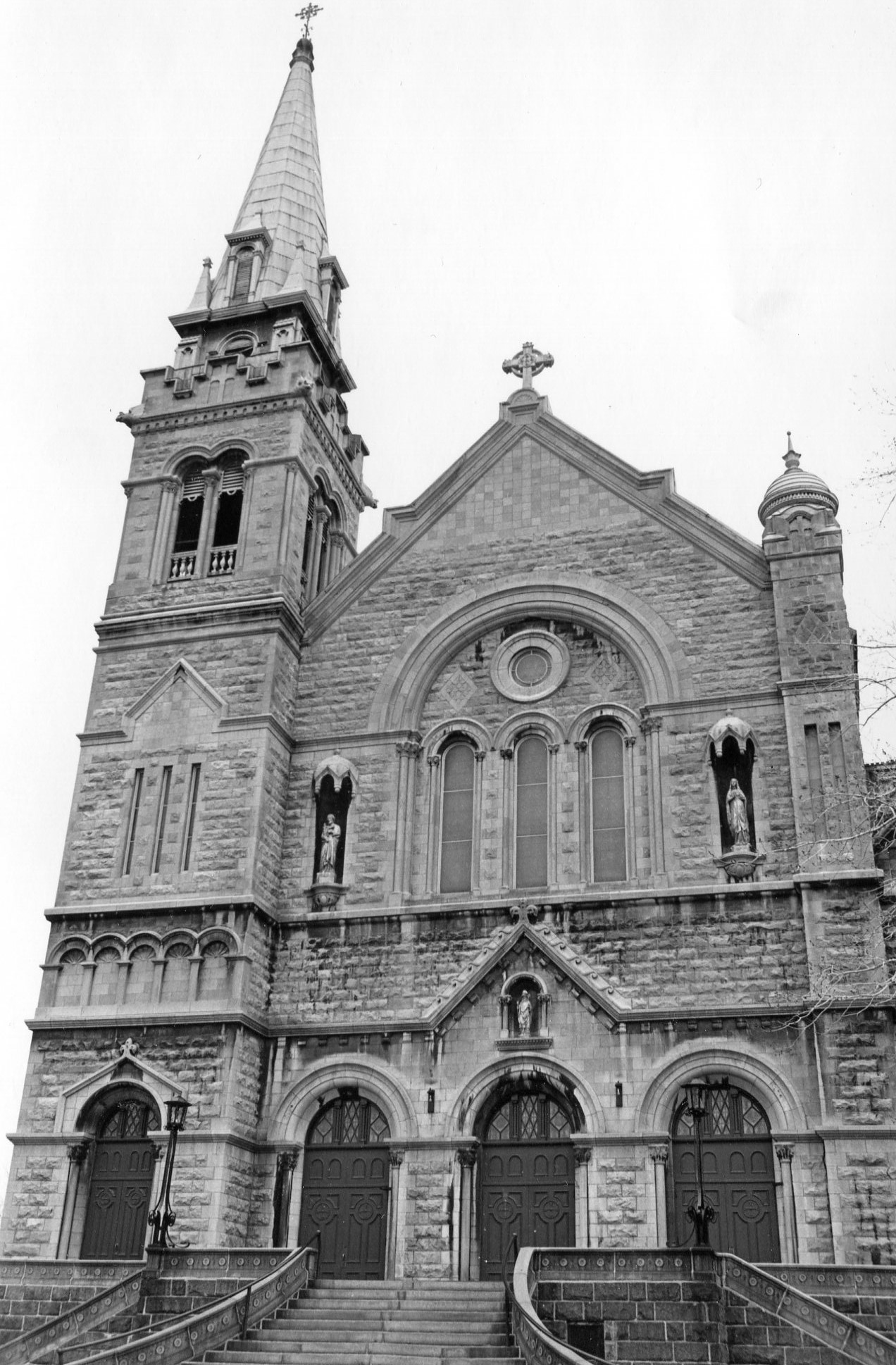
- Location: 2151 Fullum Street
The Saint-Eusèbe-de-Verceil Parish was established in 1896 to cater to a rapidly growing population in its part of the neighbourhood. A temporary chapel was first built for religious worship. Construction of the church itself began in 1913 and was halted for a few years before being completed in 1923. The Romanesque Revival style building is an imposing and prominent visual landmark on Fullum Street. Gardens that run along Dufresne Street provide an interesting viewpoint of the back of the church.
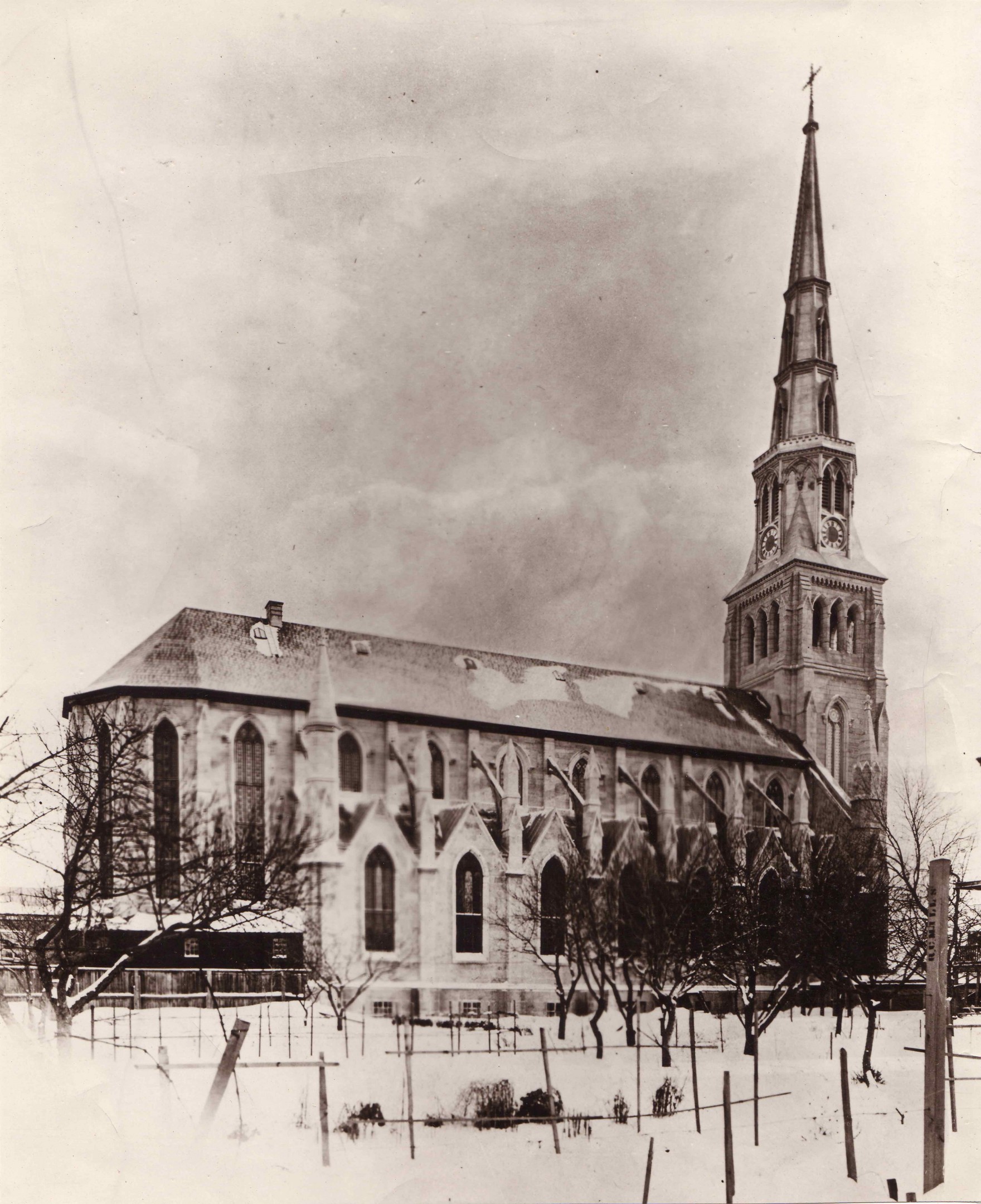
- Location: 1201 de la Visitation Street
The Saint-Pierre-Apôtre site is an exceptional heritage site that includes the Saint-Pierre-Apôtre Church, a rectory and two other buildings which have served multiple purposes over the years. The designated historic site is associated with the Oblate missionaries of Mary Immaculate, who arrived in Montreal in 1848. Made in Gothic Revival style, the Saint-Pierre-Apôtre Church is still open and is known to welcome many members of the LGBTQ+ community. Created by the Oblates in 1973, the Centre St-Pierre is a popular learning center which currently operates out of the former Saint-Pierre School on Panet Street.
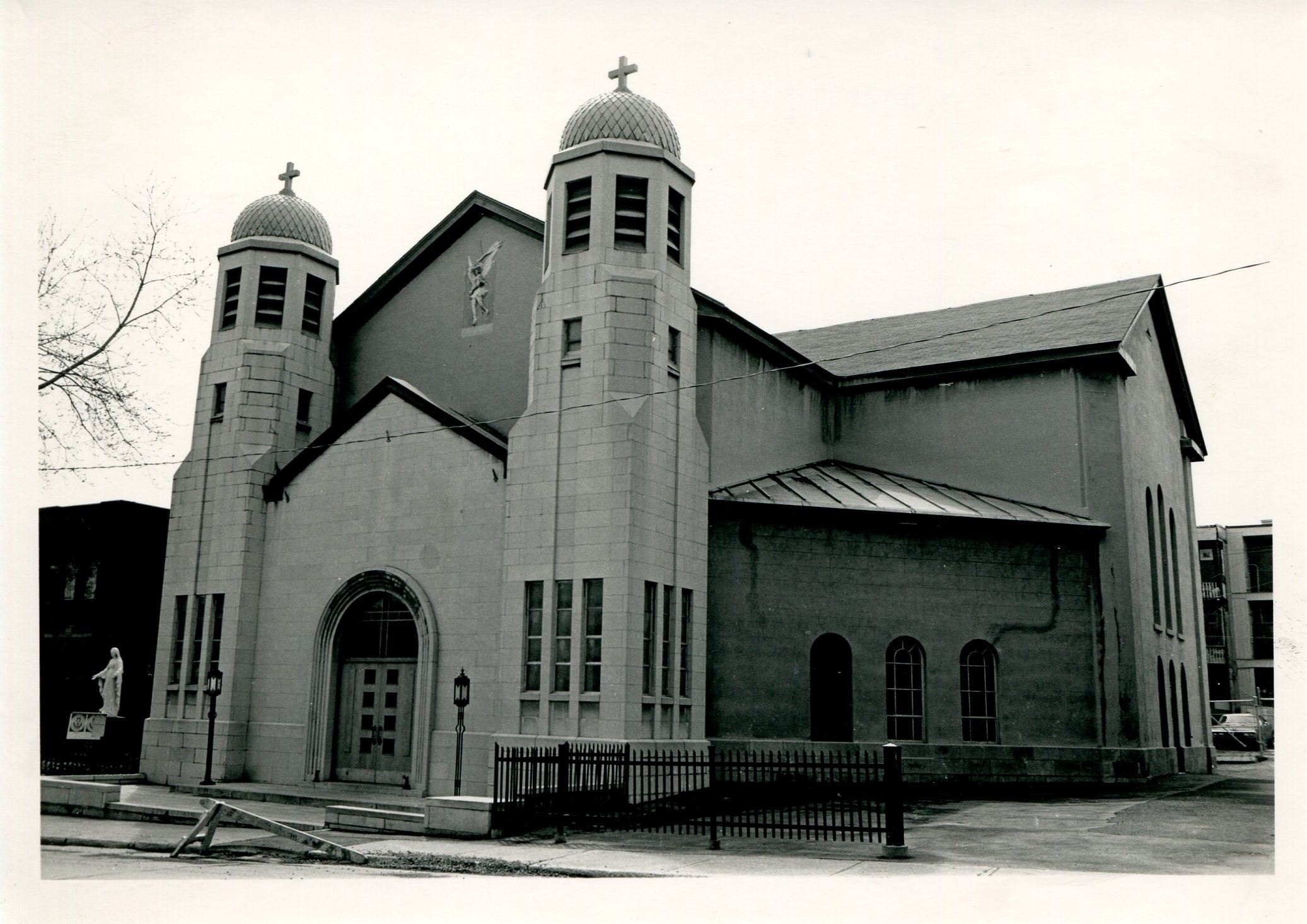
- Location: 2388 d’Iberville Street
Active in the Centre-Sud since the beginning of the 20th century, the Ukrainian community initially settled around the current site of St. Michael the Archangel Church. A first church was inaugurated during the Easter celebrations of 1917, and the building was reconstructed according to Orthodox church architecture in 1954. Many of its services shaped the lives of the Ukrainian community, which counted 700 worshippers in 1931. The parish, which celebrated its centennial in 2011, continues to thrive today. Its presence in the neighbourhood is a testament to the cultural importance of the Ukrainian community in Montreal.
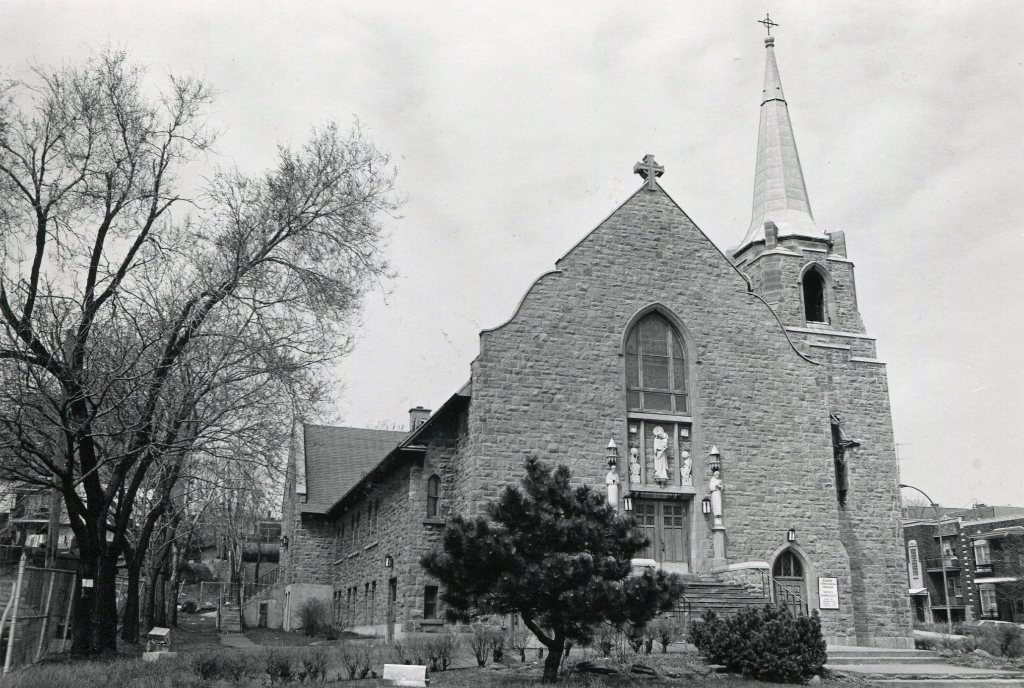
- Location: 2550 Gascon Street (at the corner of Hochelaga Street)
The Church of Our Lady of Czestochowa is located in the northeastern part of the Sainte-Marie district. It is affiliated with the oldest Polish parish in Montreal. Built in 1946, it replaced the site’s original church erected thirty years earlier, which had become too small for the needs of the community. The church remains, even today, a place of worship dedicated to Montreal’s Polish Catholics, and is one of the most emblematic testaments to their presence in the city.
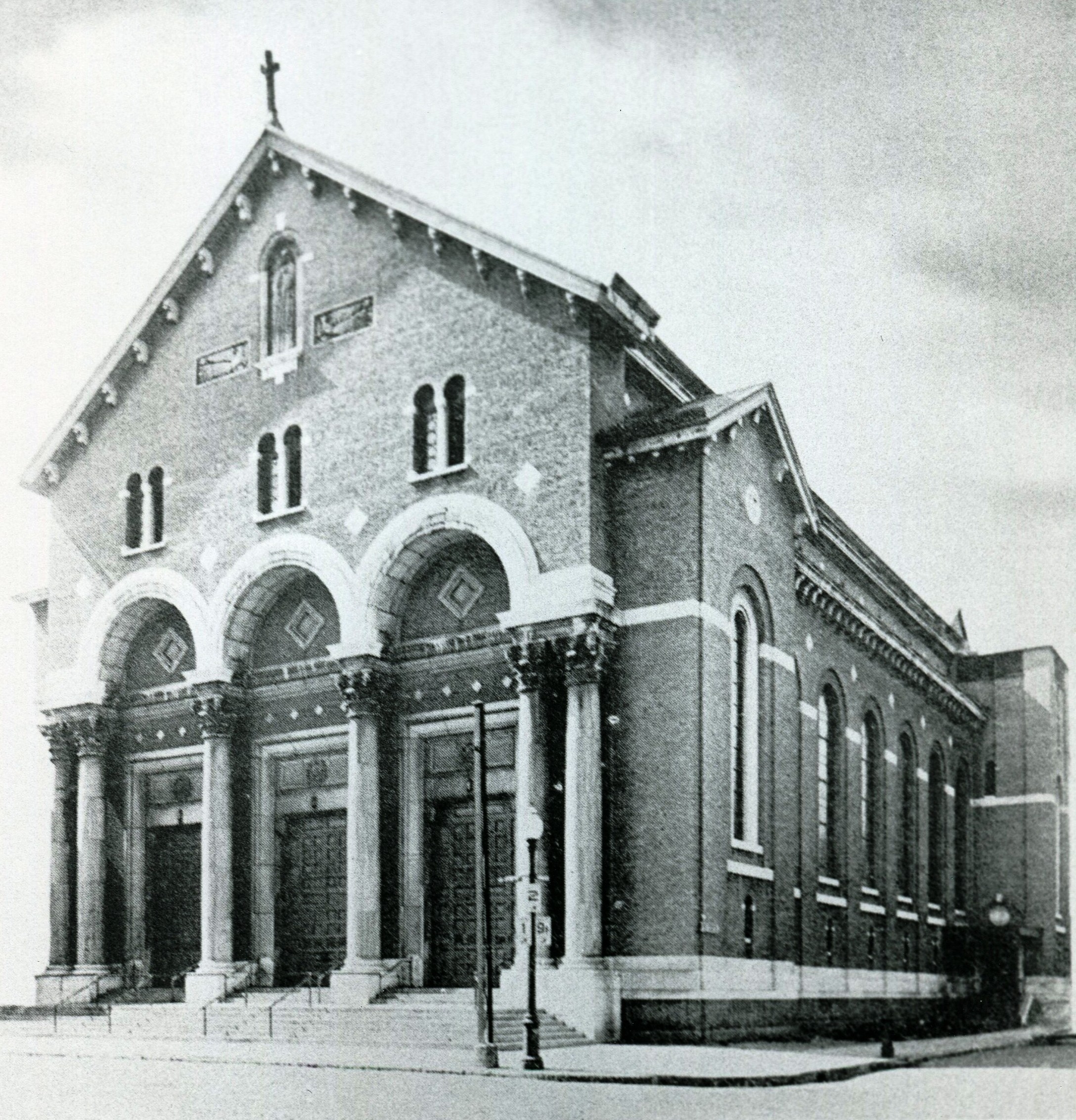
- Location: 1969 Ontario Street (corner of Dorion Street)
Built in 1924-1925, the Church of Sainte-Marguerite-Marie-Alacoque faces Ontario Street and is flanked by de Bordeaux and Dorion Streets. It is the work of two renowned architects, Ernest Cormier and Emmanuel-Arthur Doucet, and is characterized by its Byzantine-inspired architecture. Initially, the church was named after Sainte-Marguerite-Marie-Alacoque, a saint canonized in 1920. In 1992, however, the church was passed on to the Latin-American community, who renamed it the Church of Our Lady of Guadalupe.
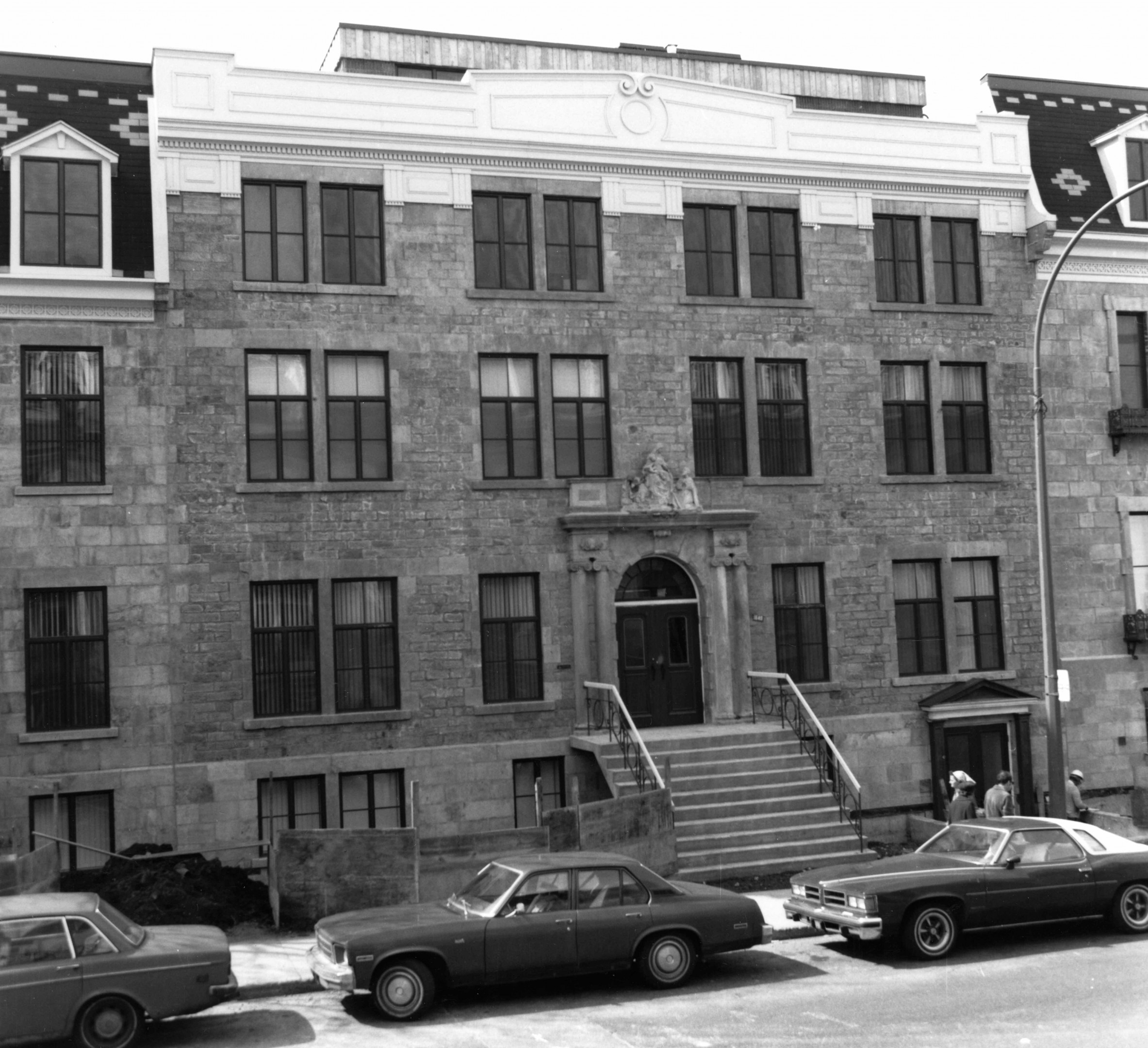
- Location: 1640 Saint-Hubert Street
Established in the neighbourhood since 1934, the House of the White Fathers is a testimony to the historical links between the Centre-Sud and the missions of Africa. Several generations of missionaries passed through the house on Saint-Hubert Street, on their way to or from African missions, creating links between African and Québec society. Since 1989, the building has housed the Afrika Center, a social and cultural center serving Montreal’s African diaspora communities.
Ecomuseum Collection