Industrial Buildings
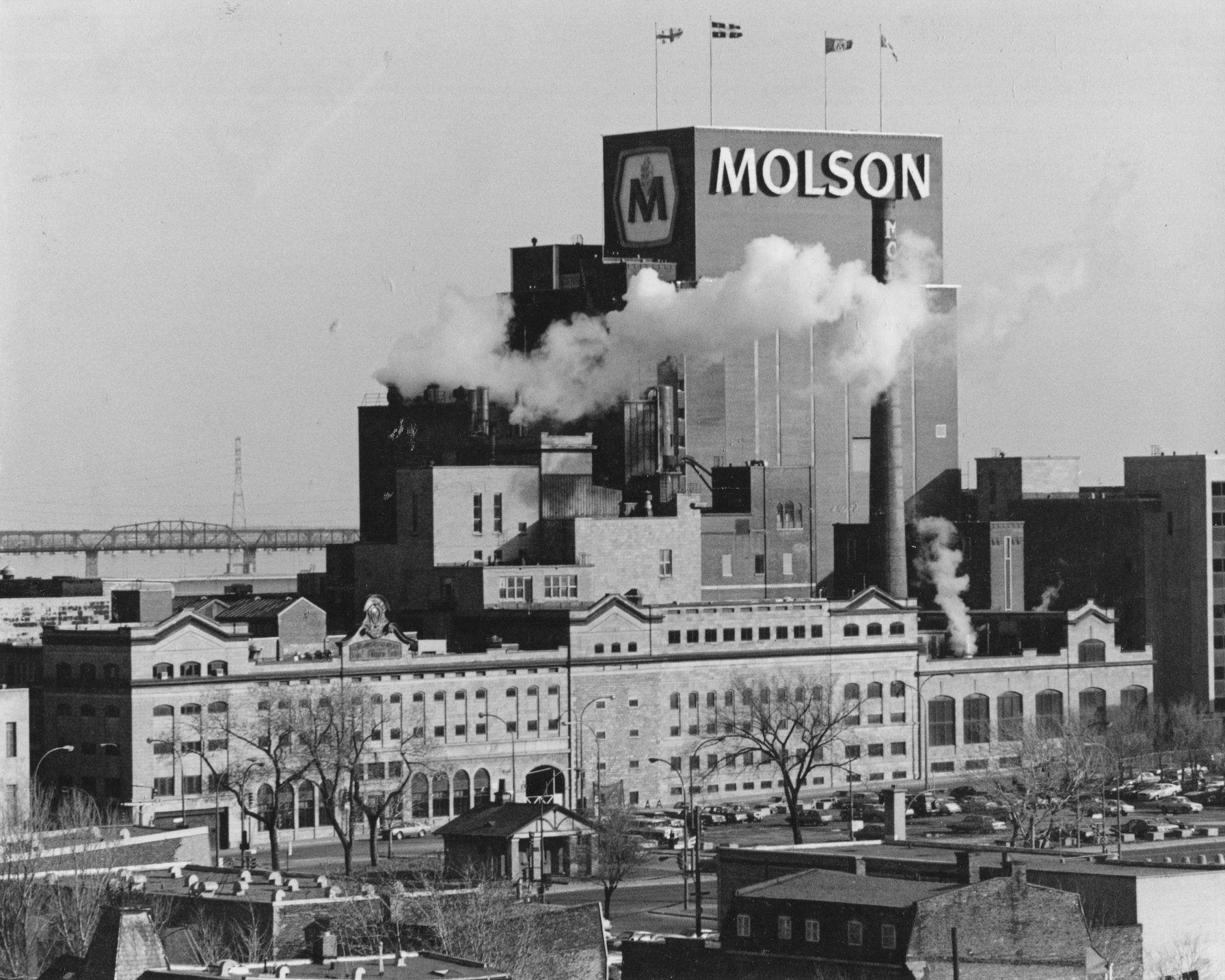
- Location: 1670 Notre-Dame Street East
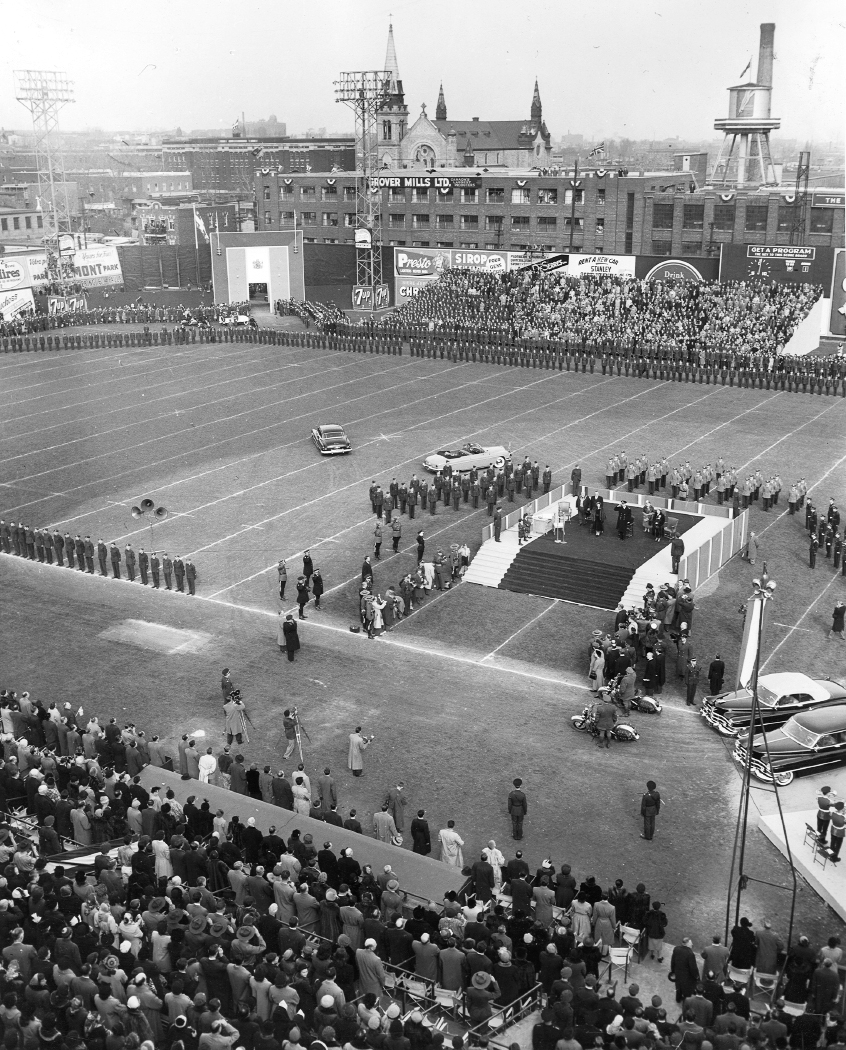
Built at the end of the Sainte-Marie Current, the Molson Brewery was founded by English-born businessman John Molson in 1786.
After over two centuries operating at its original site, Molson-Coors moved its brewing operations to a new facility on Montreal’s South Shore. As its head office remains onsite on Notre-Dame Street East, Molson-Coors is able to preserve this important Montréal industrial site.
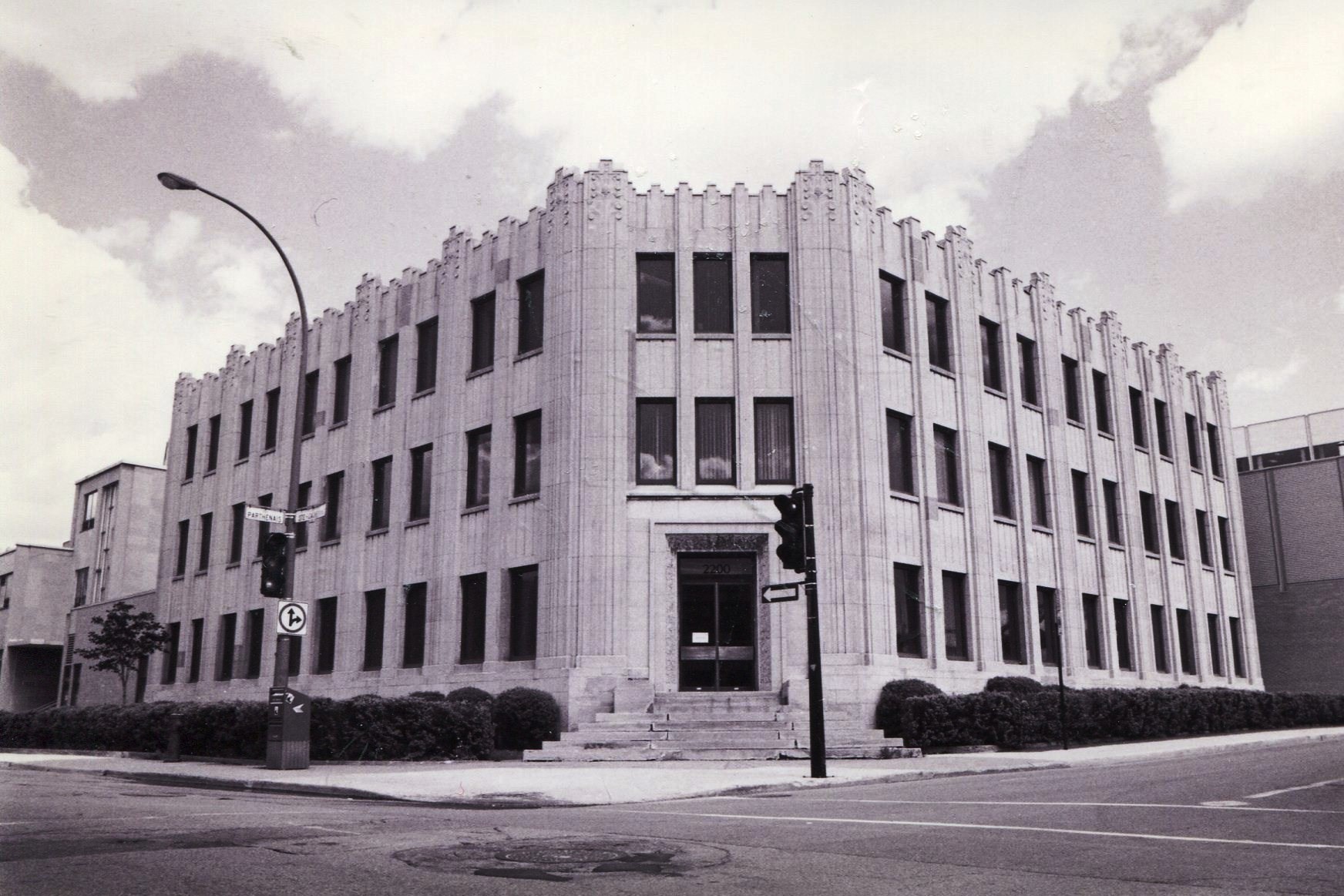
- Location: 2200 Sainte-Catherine Street East
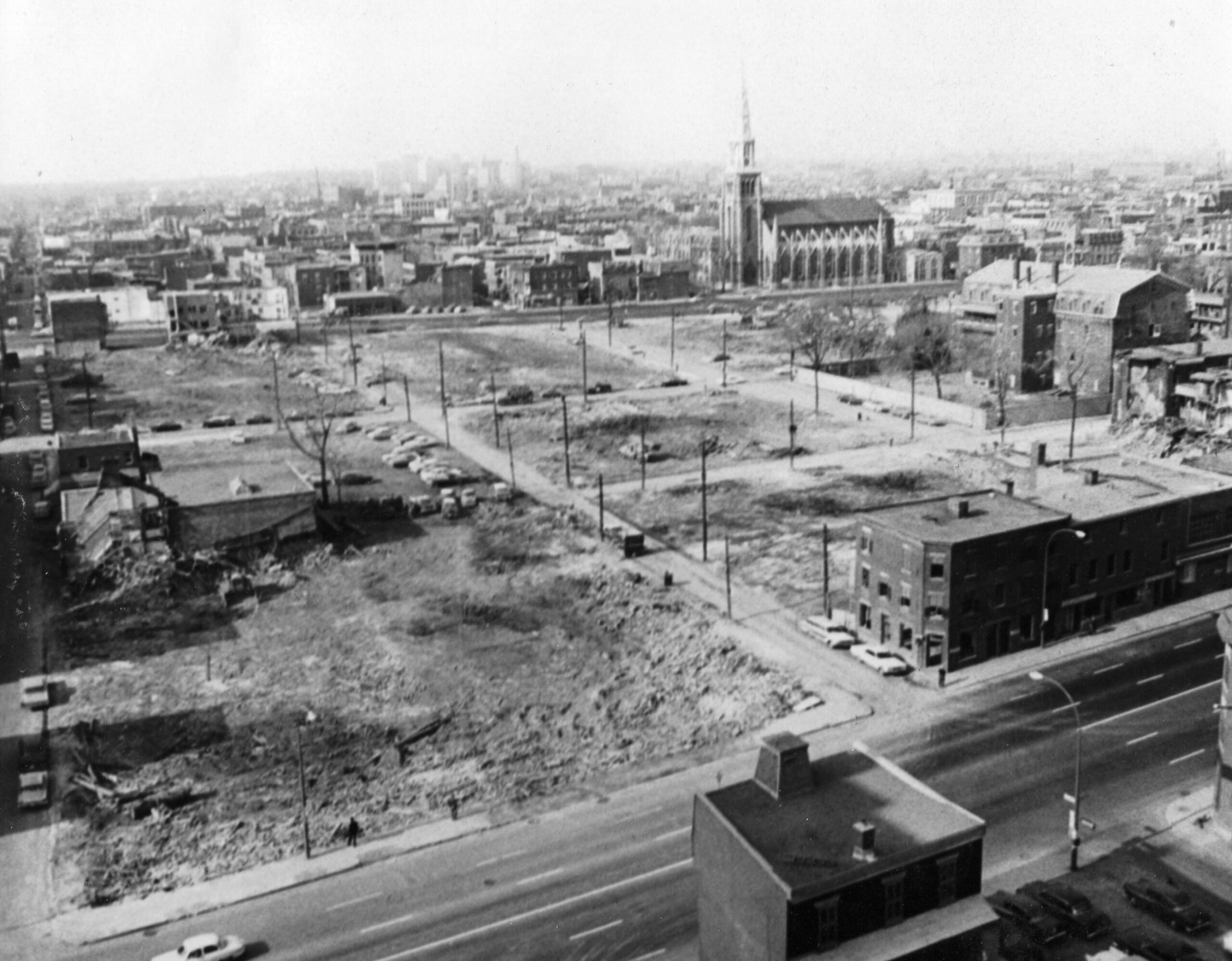
Founded in 1872, the Dominion Oilcloth & Linoleum Company stands out as one of the first flexible flooring production plants in North America. By the middle of the 20th century, the company employed over one thousand workers. Spread over a vast area between Parthenais and Fullum Streets and south of St. Catherine Street, the industrial complex was almost completely demolished to make way for Télé-Québec facilities in the late 1960s.
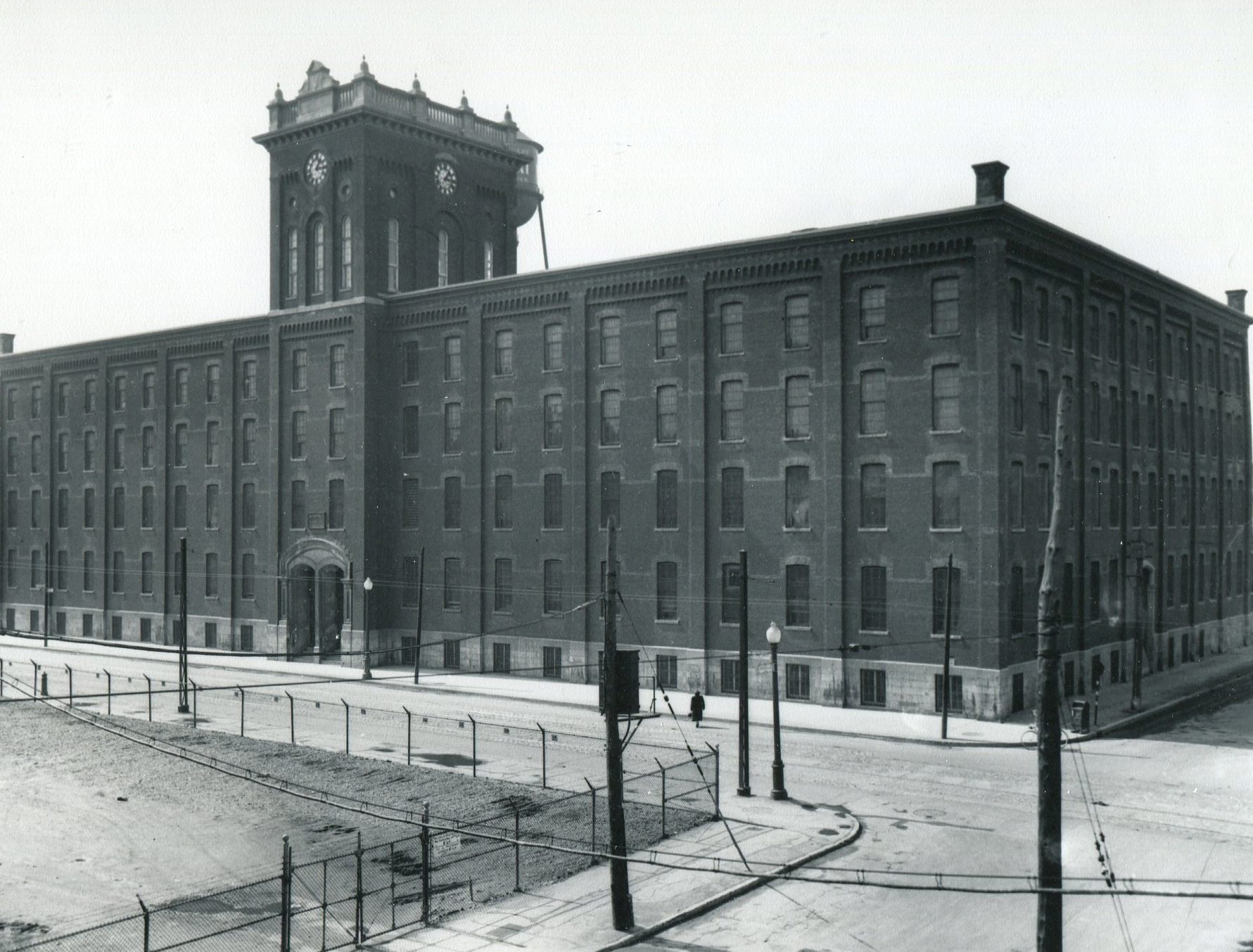
- Location: 2455 Ontario Street East
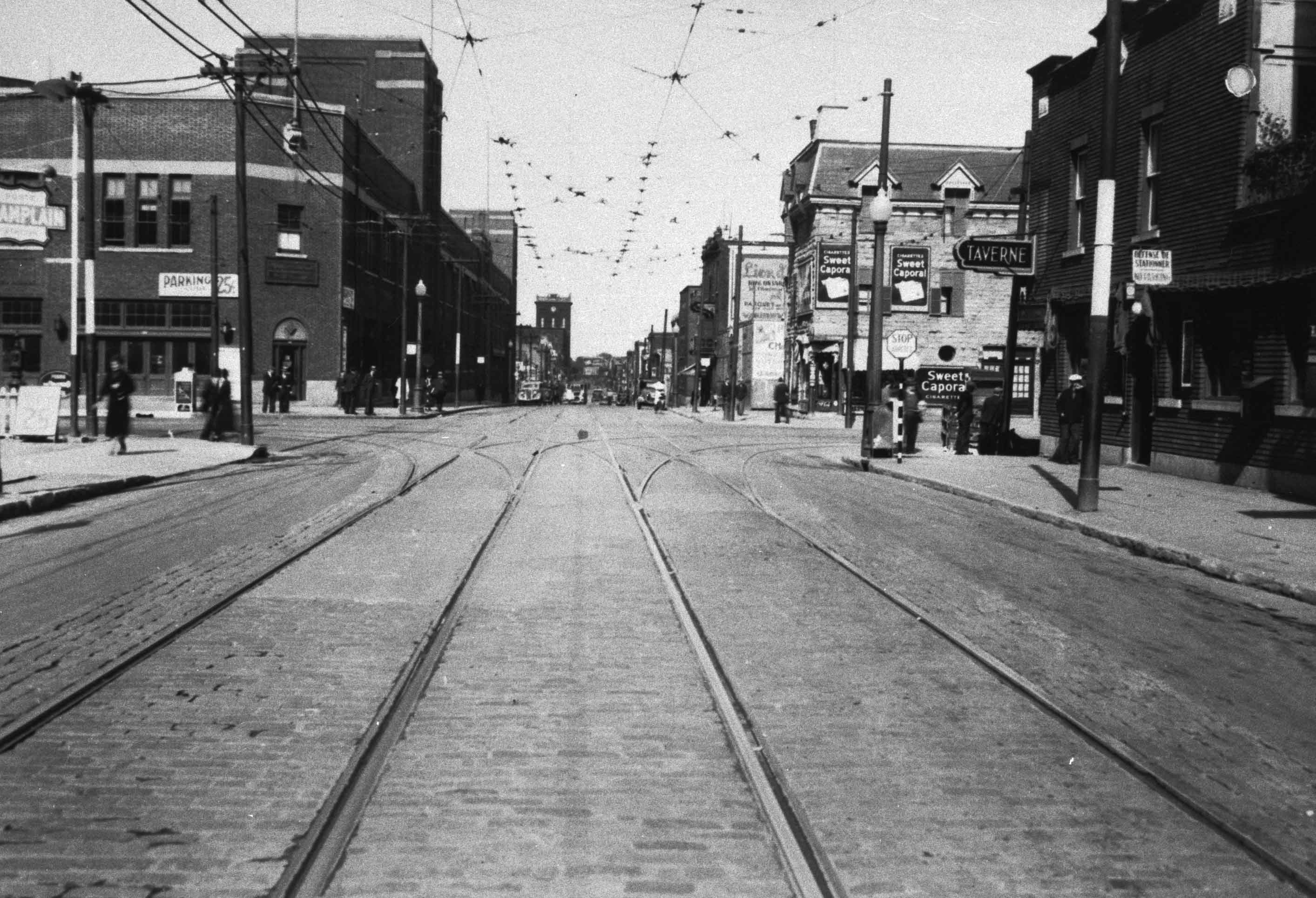
The Macdonald plant is one of the few remaining factories in the Centre-Sud. The tobacco company was founded by William Christopher Macdonald in 1858. Originally located on Water Street near the port, the plant moved to the corner of Ontario and d’Iberville Streets in 1876. The building was rebuilt after a fire ravaged the site in 1895. The company has employed thousands of people since its founding, including many Centre-Sud residents. The MacDonald building leaves an indelible mark on the Sainte-Marie landscape thanks to its size and central tower that features a large four-sided clock.
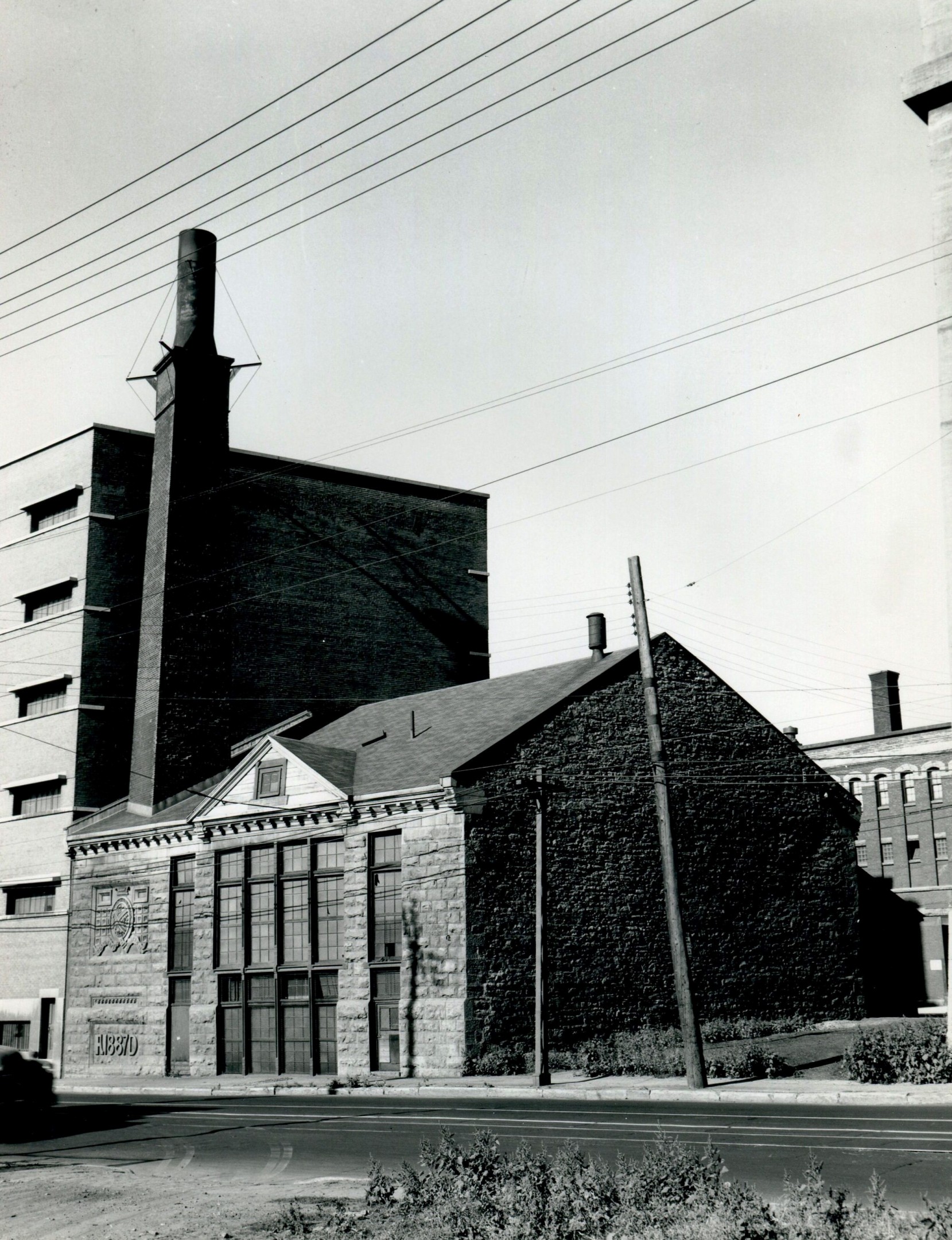
- Location: 2000 Viger Avenue East
Tucked away on a median not far from the entrance to the Ville-Marie Expressway, the Craig Pumping Station is a testament to the evolution of the city’s water system in the 19th century. At that time, the city experienced devastating floods during spring thaws which led the City to build permanent infrastructure to protect against flooding. Built in 1887, the station was designed to pump water to the river in order to prevent overflows in the downtown area.
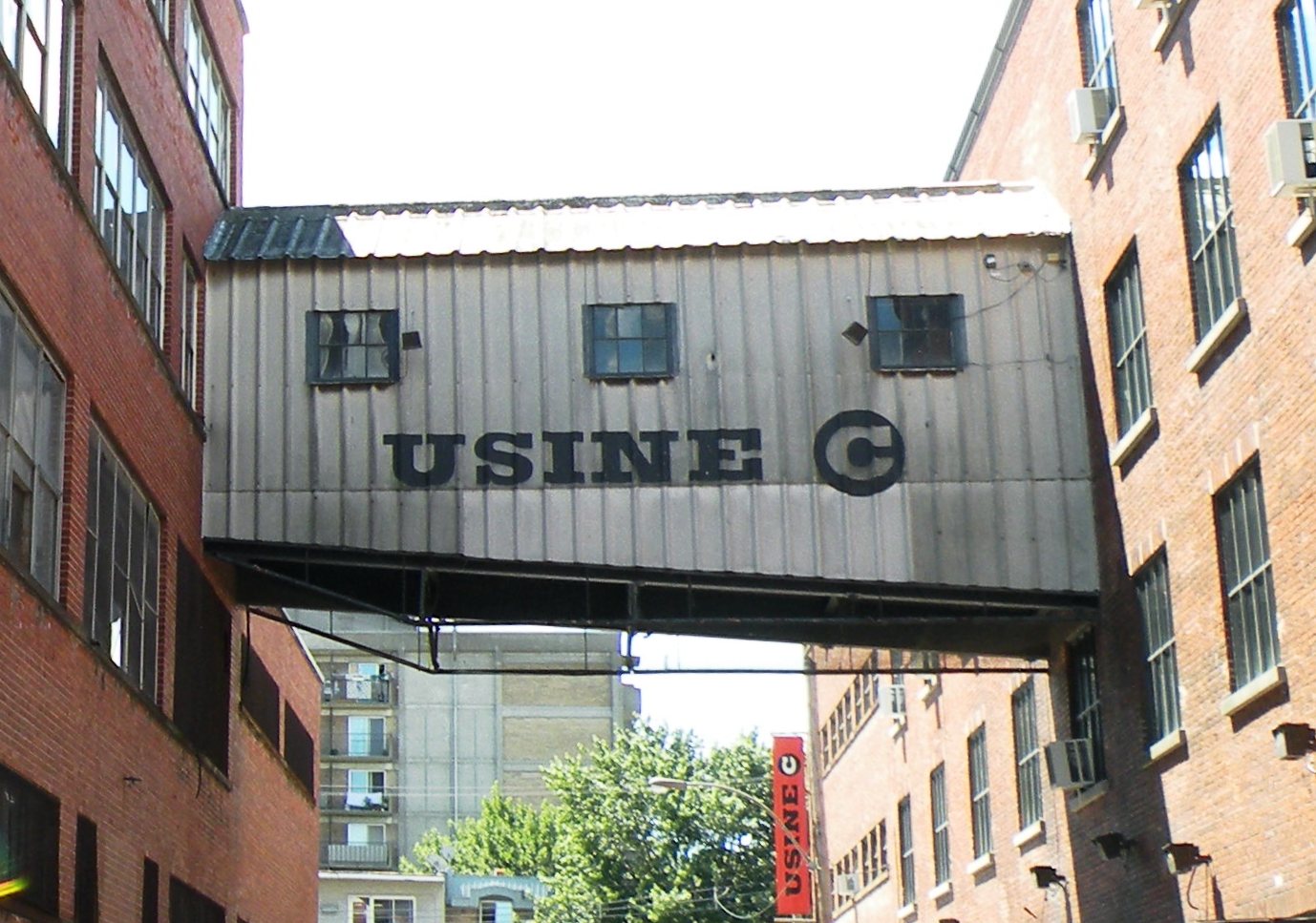
- Location: 1800 Panet Street and 1345 Lalonde Avenue
Despite its new unrelated purpose, the former Alphonse Raymond industrial Complex is an important part of Montreal’s industrial heritage. Founded in 1905, the jam and marinade manufacturing company expanded and built a new plant on Panet Street in 1913. It subsequently became one of the most important factories in Canada. Today, the site is home to Usine C, a space for artistic creation and presentation, as well as residential spaces.
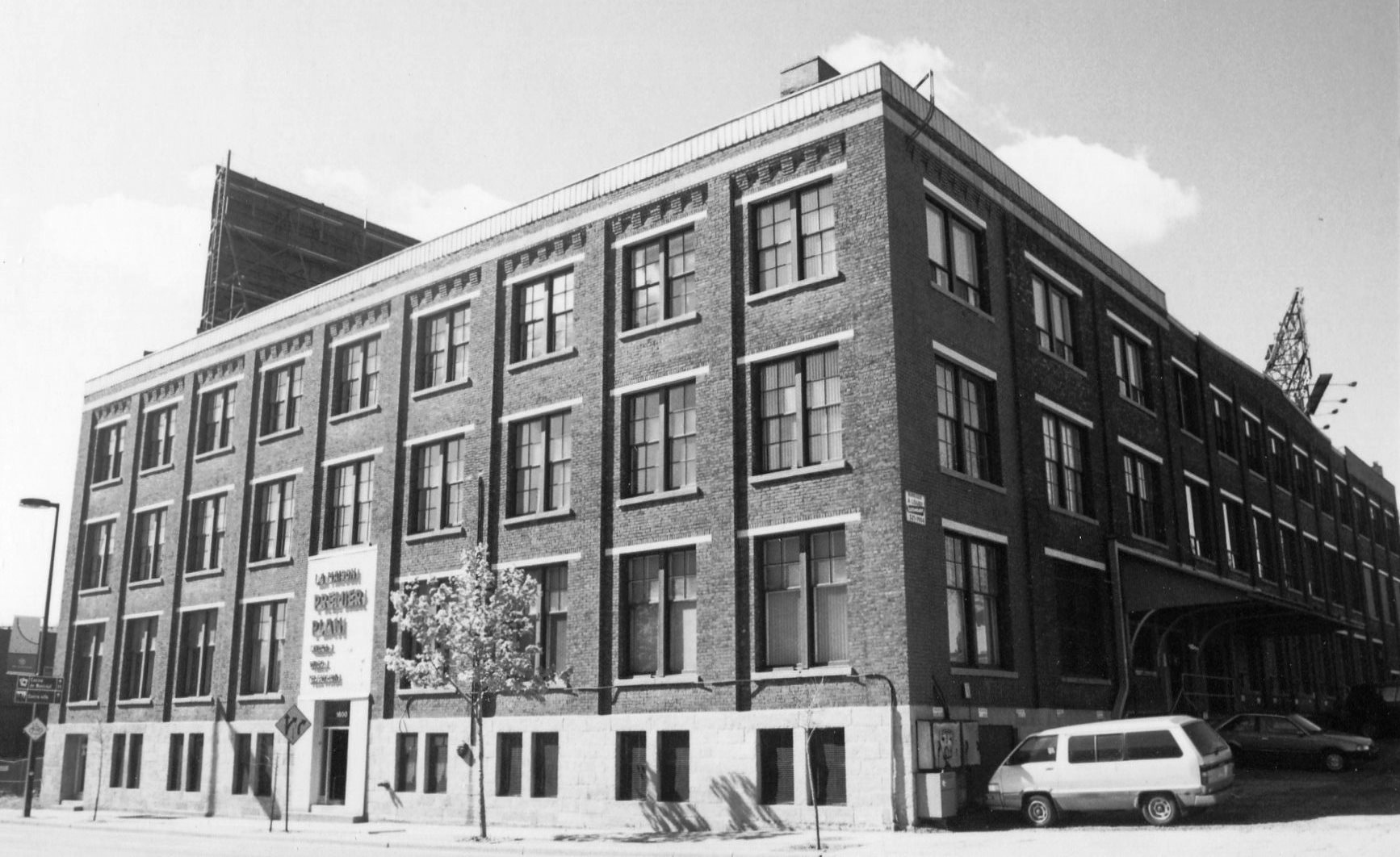
- Location: 1600, de Lorimier Avenue
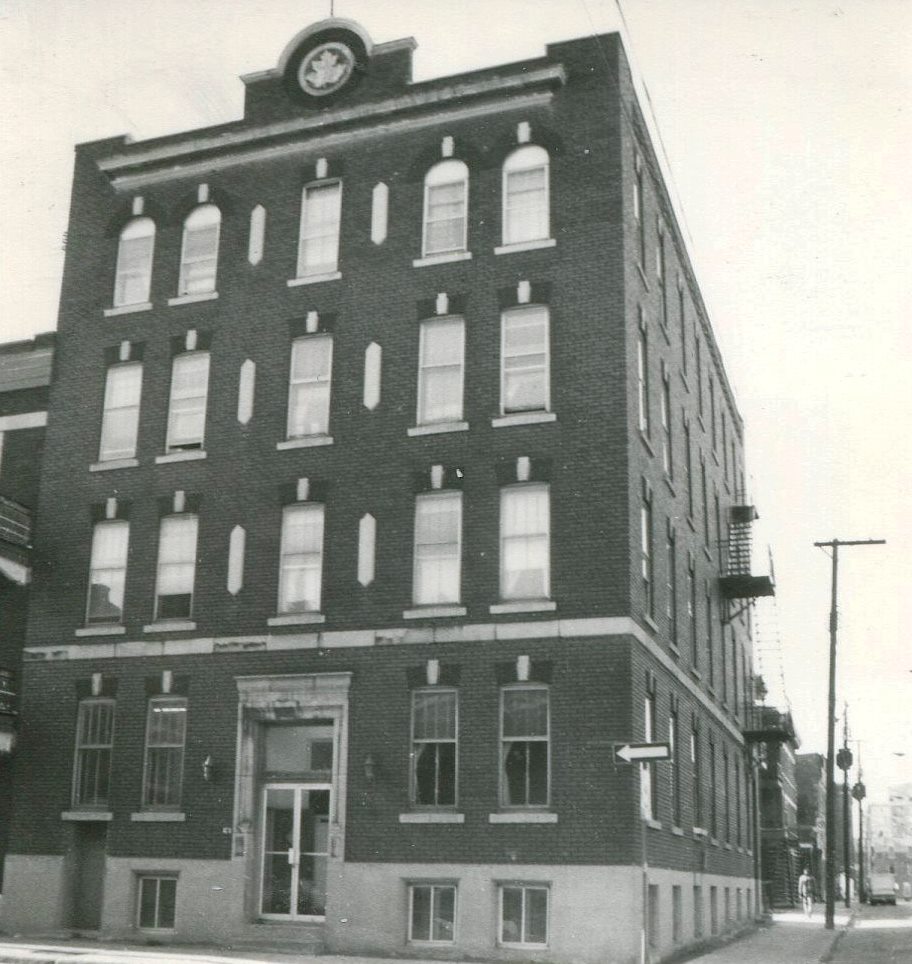
Built in 1910 following the plans of architect Eugène Payette, the Barsalou/ Familex building is best known for the curve in the design it forced on the Jacques-Cartier Bridge. Soap manufacturer Joseph Barsalou first occupied the building until it was bought by Proctor and Gamble in 1935. Roméo Parent’s pharmaceutical company, Familex, then purchased the building in 1943. The company was sold to Pierre Valcourt in 1983, and the Valcourt family sold the building to the Cosoltec company in 2019.
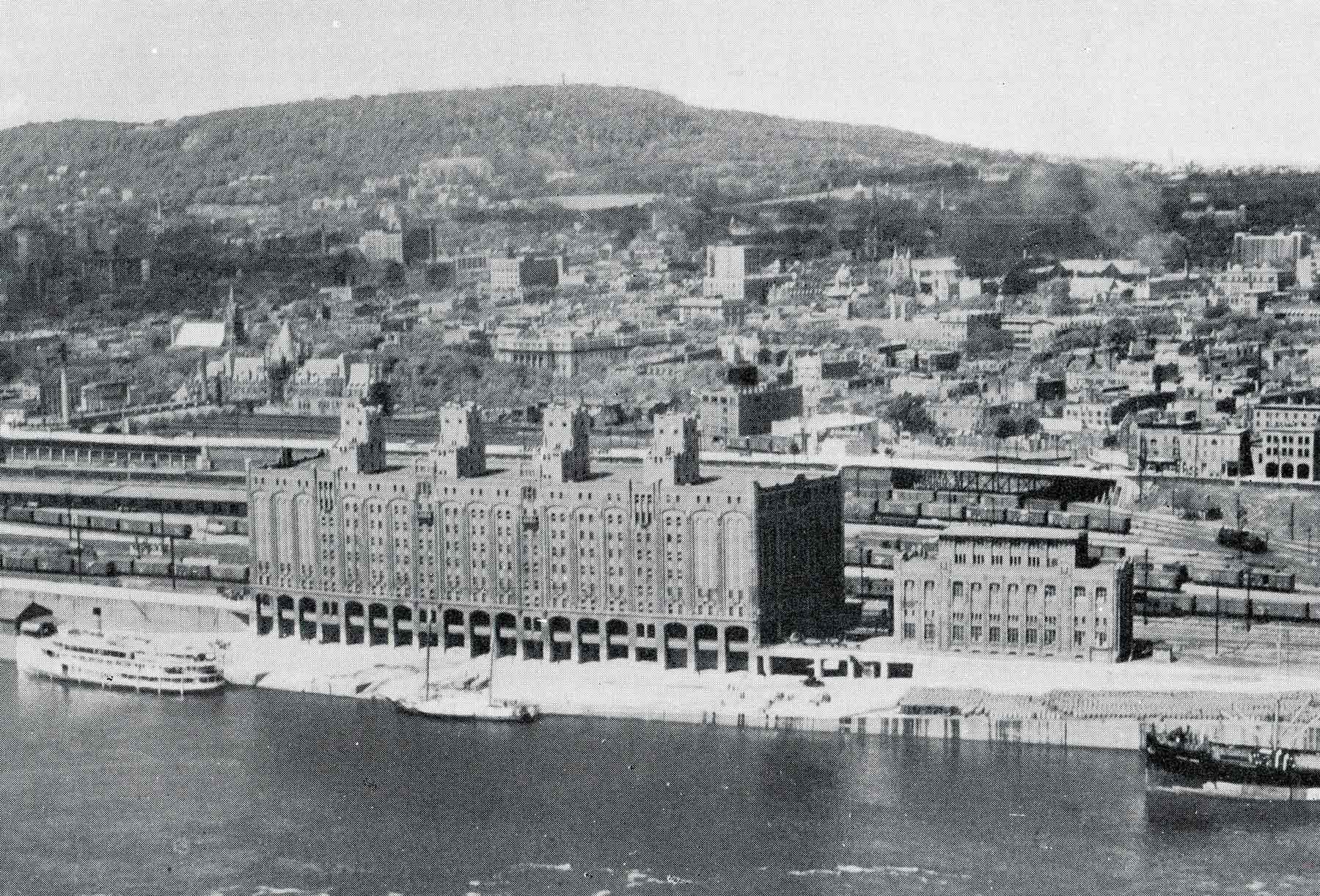
- Location: 1000 de la Commune Street East
Opened in 1922, the Frigorifique cold storage warehouse was used to preserve perishable foodstuffs that moved through the port. This monumental building, now converted into housing units, is a reminder of the importance of trade and port activities at the turn of the 20th century, when Montréal was Canada’s largest metropolis.
Ecomuseum Collection