Public Buildings
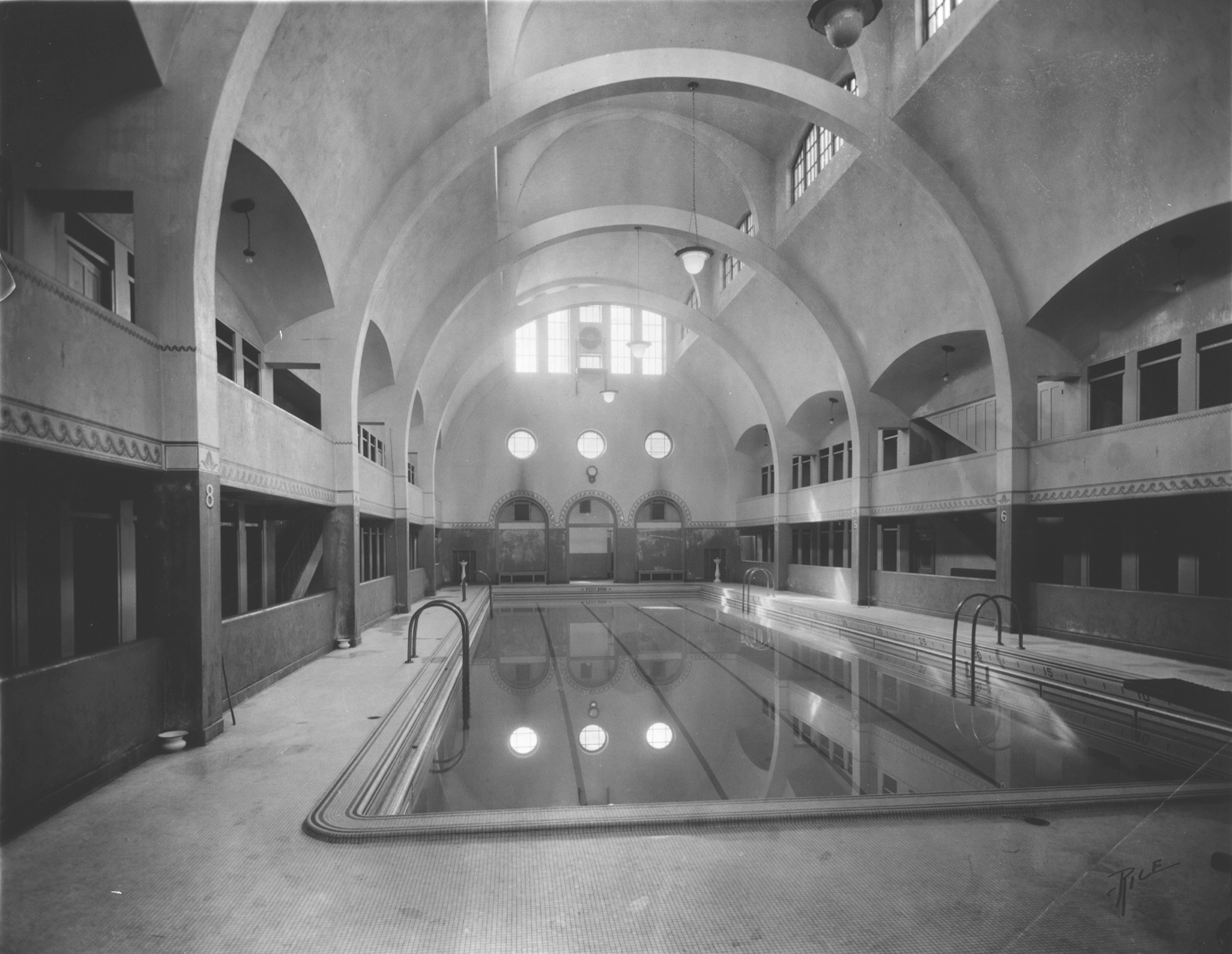
Généreux Bath: Infused with History and Culture
- Location: 2050 Atateken Street, (corner of Ontario Street)
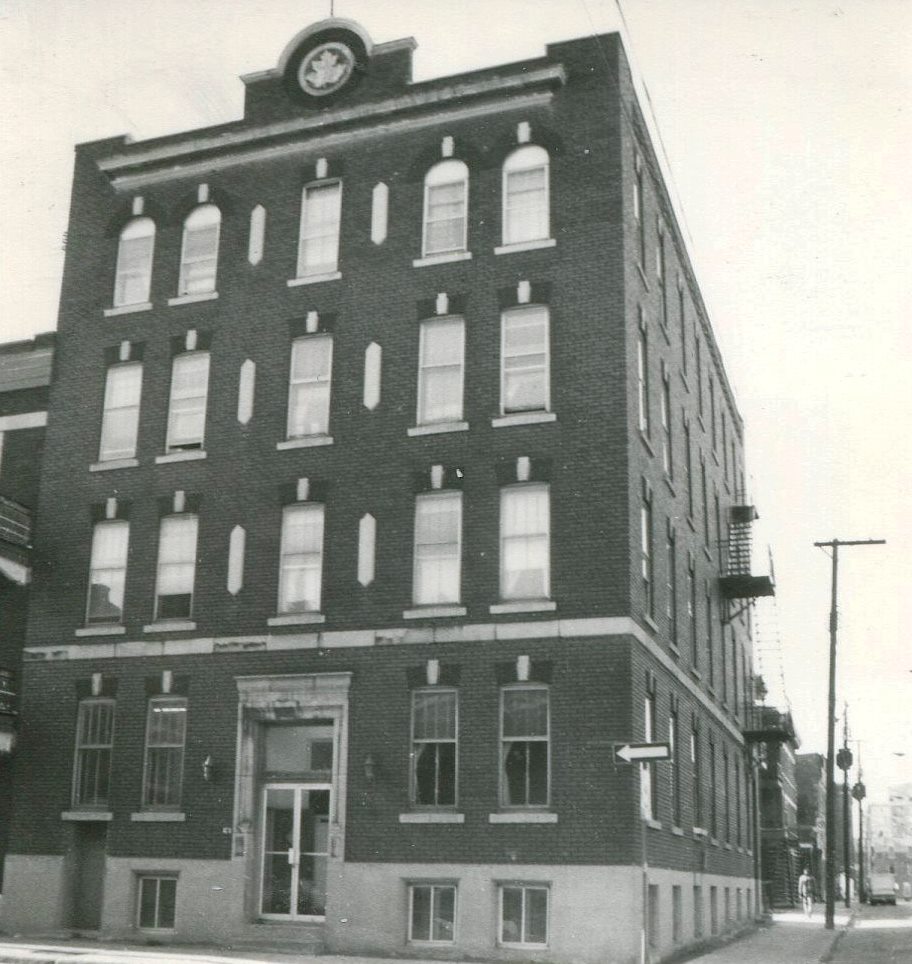
The Généreux Bath was designed by architect Joseph-Omer Marchand. The building is notable for its Art Deco-style facade and its basin topped by a large vaulted ceiling. Opened in 1927 on Amherst Street (now Atateken Street), just north of Ontario Street, the bath first addressed a need for hygiene in a neighbourhood where many homes had neither bath nor shower. The Généreux Bath closed in 1992 and in 1996, the Écomusée du fier monde moved in and turned it into its exhibition hall.
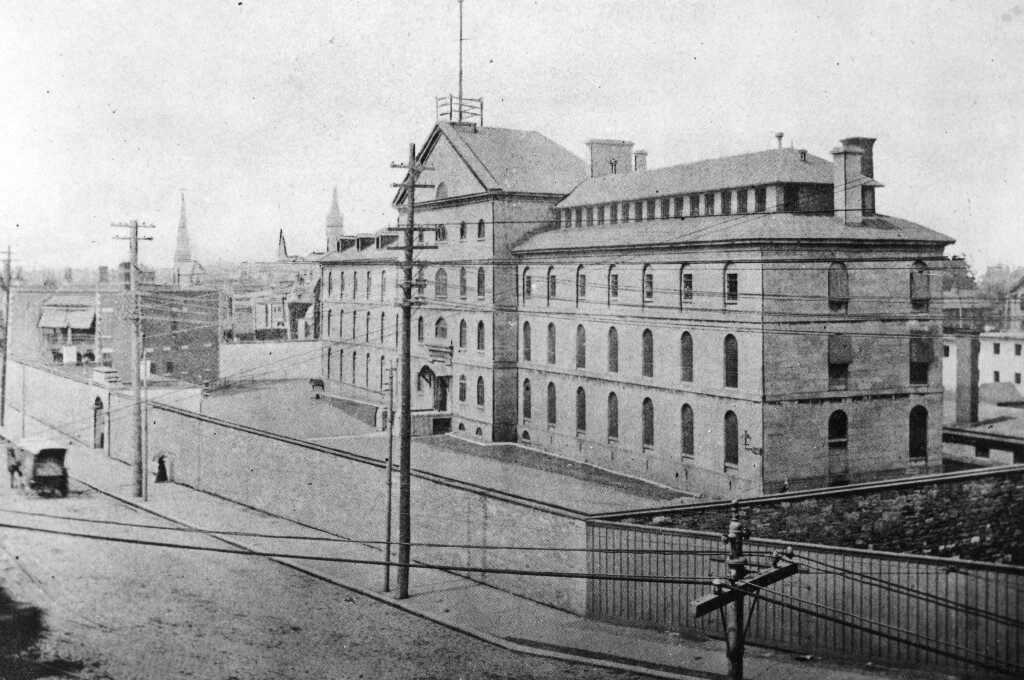
Pied-du-Courant Prison: Witness to a Historic and Defining Chapter in History
- Location: 905 de Lorimier Avenue (north of Notre-Dame Street)
The site includes the former prison built between 1832 and 1840, the governor’s house erected in 1895 and the surrounding wall. The neoclassical-style prison served as a detention center between 1836 and 1912. In 1838, 12 Patriotes (the largest Francophone political party at the time) were executed here, marking a defining moment in the history of Quebec. The prison closed in 1912, and in 1921, the Commission des Liqueurs, which later became the Société des alcools du Québec (the provincial-owned liquor board), set up its head office here. In the early 1970s, the Ville-Marie Expressway construction project called for the demolition of the former prison, but citizen advocacy resulted in a change in the route to protect the historic building.
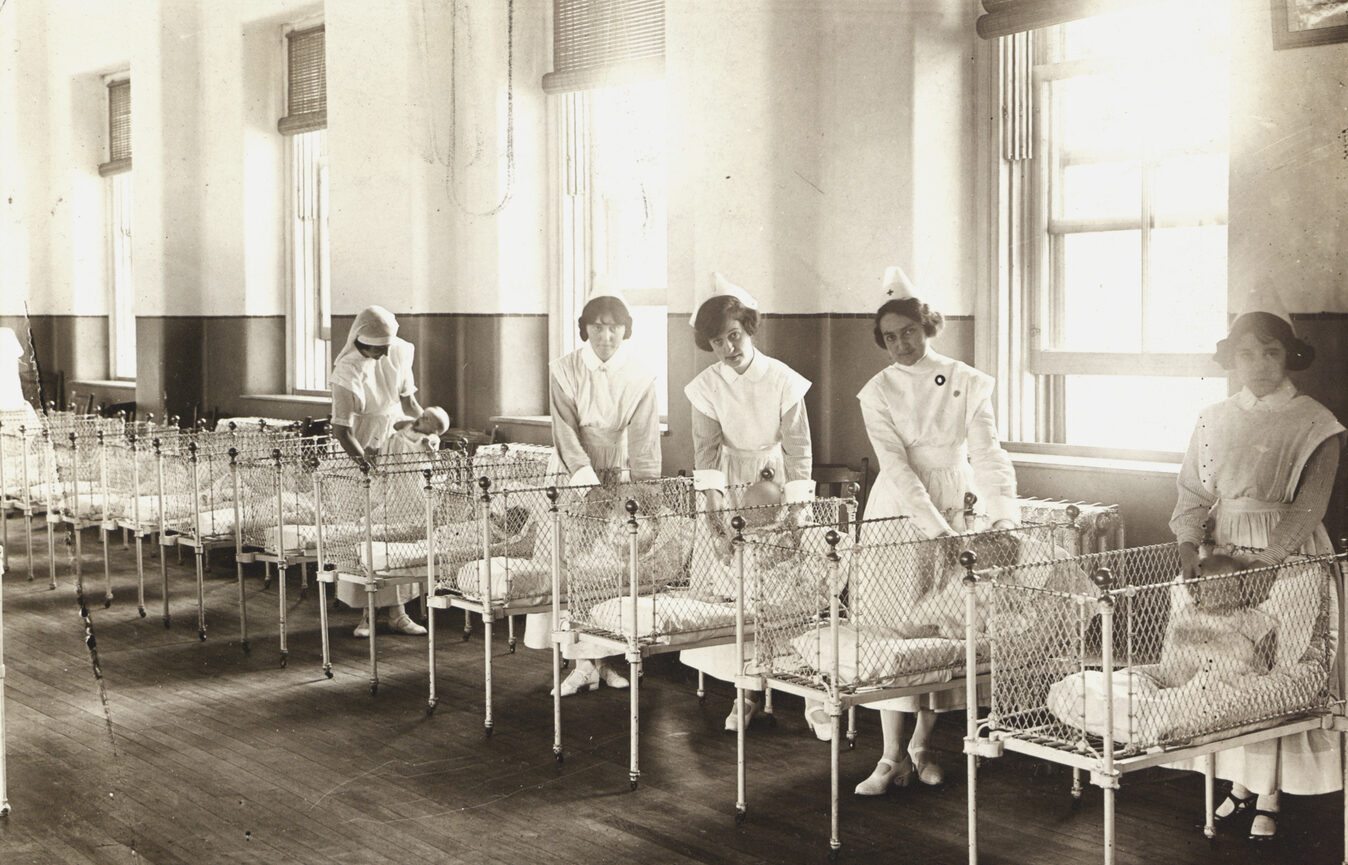
Former Miséricorde Hospital: The Nursery Era in Québec
- Location : 840-890, René-Lévesque Boulevard East
In 1853, construction began on this vast convent hospital complex run by the Misericordia Sisters of Montreal. The building housed the hospice Sainte-Pélagie, the first French-speaking maternity hospital in Quebec, where midwives and medical students were taught obstetrics. Many women, known at the time as “filles-mères” (unwed mothers), were forced to give up their children for adoption here, given the stigma attached to births outside of marriage. This gave rise to what became known as the “nursery era” in Québec. For both the nuns and laywomen who worked there and those who gave birth there, as well as for all their descendants, this place holds great meaning in terms of identity and memory. It represents an important part of women’s history.
The maternity ward became a general hospital in 1924 to better meet the training needs of doctors. It ceased its activities in 1973. From 1975 to 2012, the facility became a long-term care centre, the CHSLD Jacques-Viger. Owned by the Quebec government, it will be put up for sale in the spring of 2023. Its future remains uncertain.
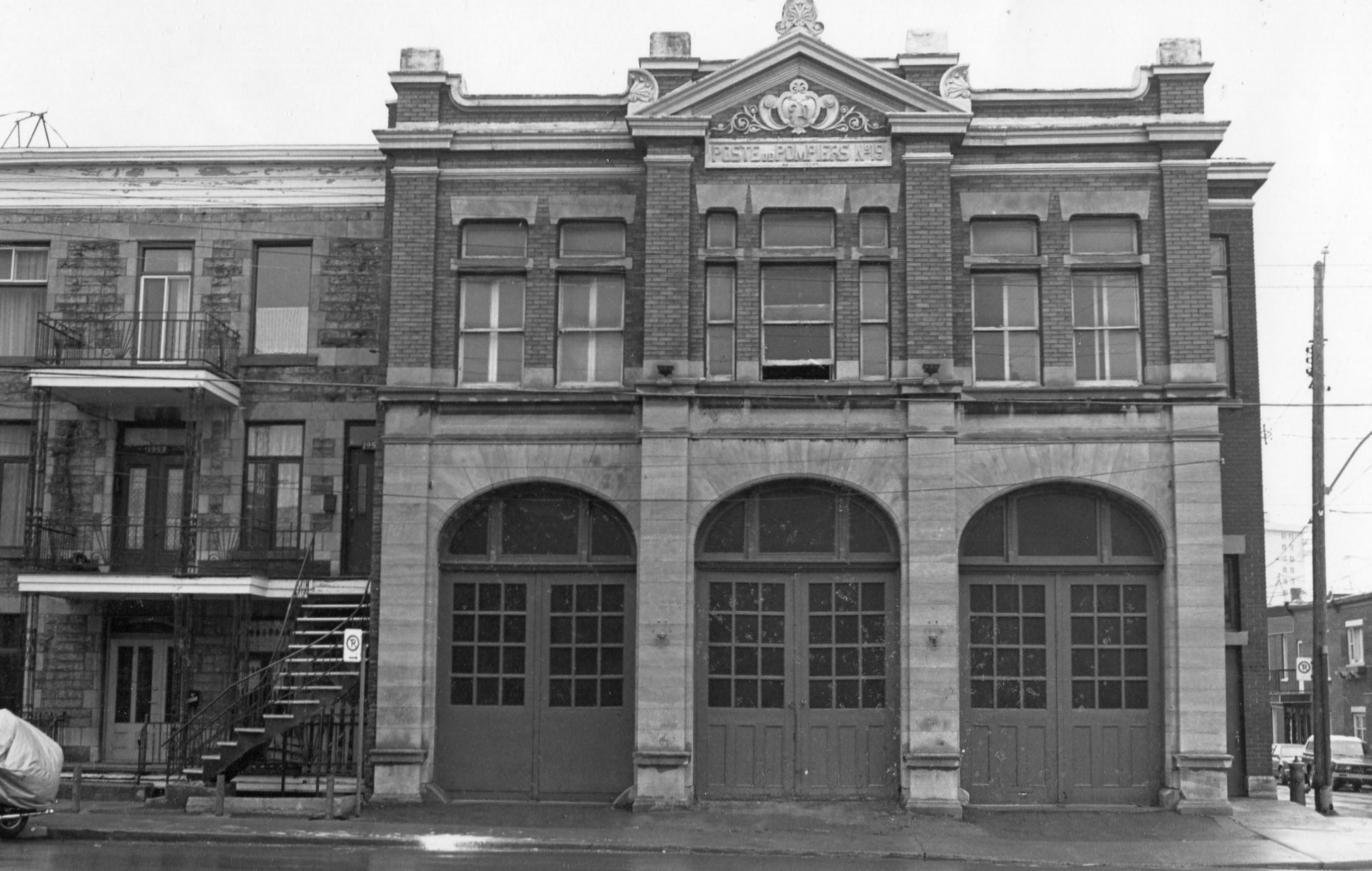
Fire Station No. 19: Combining Built and Artistic Heritage
- Localisation: 1945 Fullum Street (corner of Coupal Street)
Fire Station No. 19 was built in 1903-1904 to meet the protection needs of the residents of the Sainte-Marie neighbourhood. In 1980, the Fullum Street Barracks moved its facilities to the corner of De Lorimier Avenue and Ontario Street. The following year, the building was transformed into the Espace libre, a venue for creation and performance. Notable artistic figures, such as Robert Gravel and Jean-Pierre Ronfard, are a huge part of the history of this theatre.
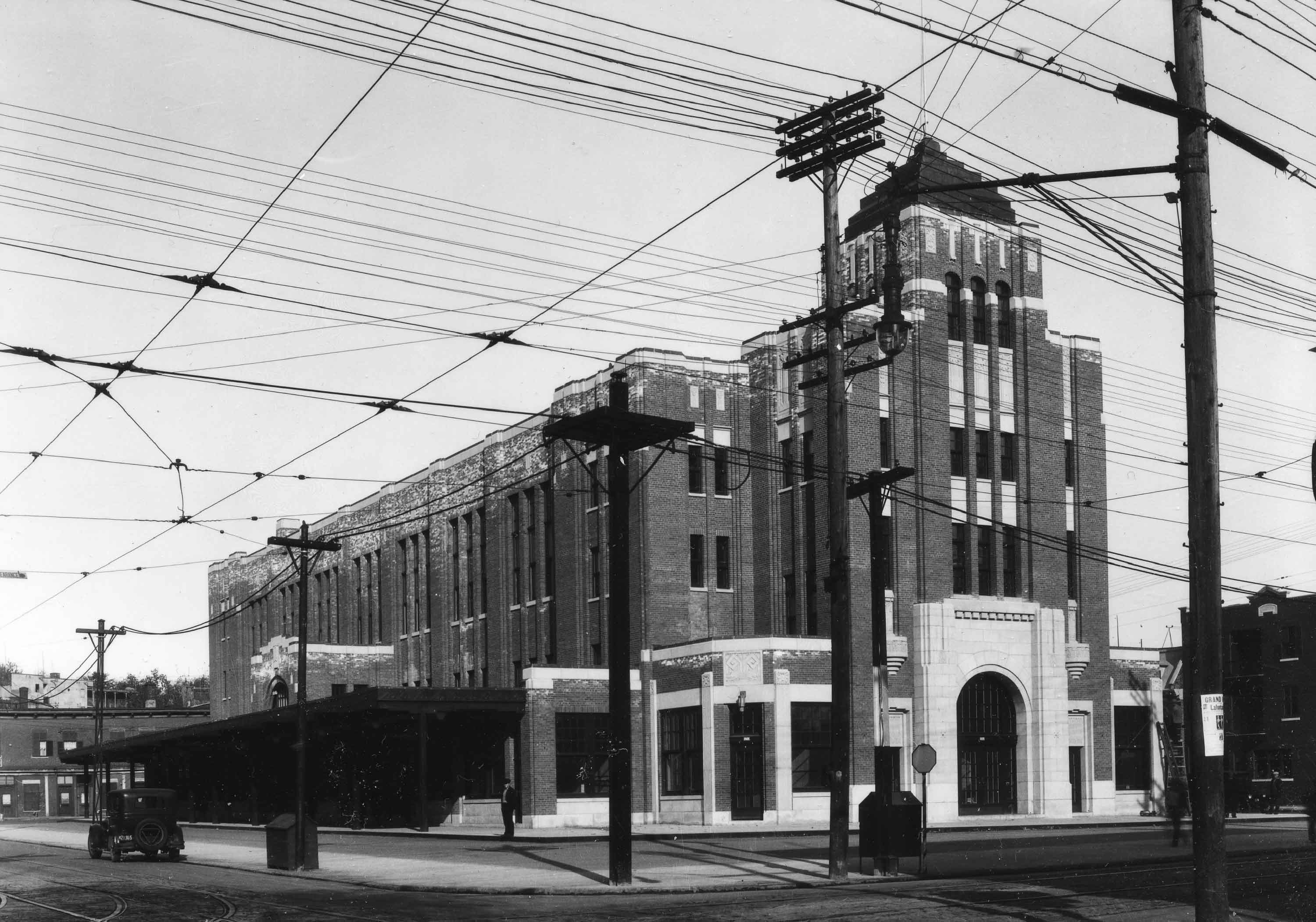
Saint-Jacques Market: A Place for Business and Socializing
- Location: 1125 Ontario Street East
The Saint-Jacques Market is a prime example of the food and social history of the Centre-Sud. Built in 1871, the building was entirely reconstructed in 1931 following the plans of architect Zotique Trudel. The public market closed in 1960 and the spaces were transformed to accommodate various City of Montreal departments. The building was subsequently sold to a developer in 2007. The structure and its Art Deco- style design remains an important landmark in the Centre-Sud landscape.
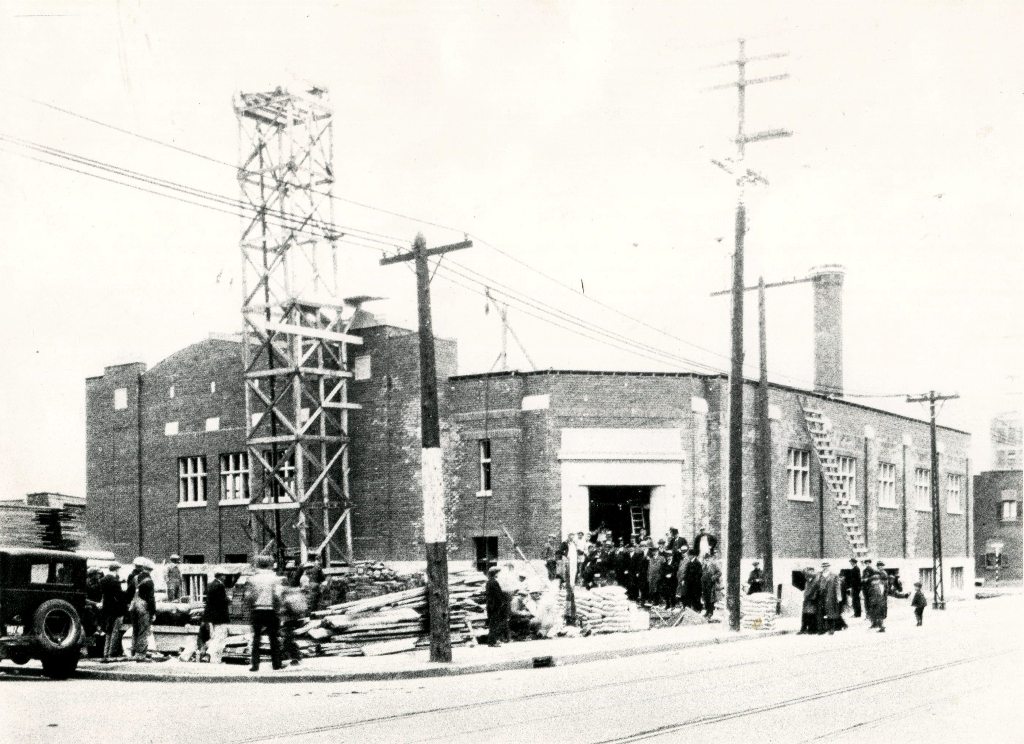
Mathieu Bath: A Multi-Purpose Building
- Location: 2915 Ontario Street East (corner of Florian Street)
Built in 1931, the Mathieu Bath addressed the hygiene needs of the underprivileged community, which did not always have access to adequate sanitary facilities. Located in the east end of the Sainte-Marie district, it closed its doors in 1990. The Society to Promote the Gigantic Arts (SPAG) moved in in 1998. In 2000, the City donated the building to SPAG, which, aware of the building’s heritage value and keen on its preservation, had it renovated and transformed into a multi-use event hall.
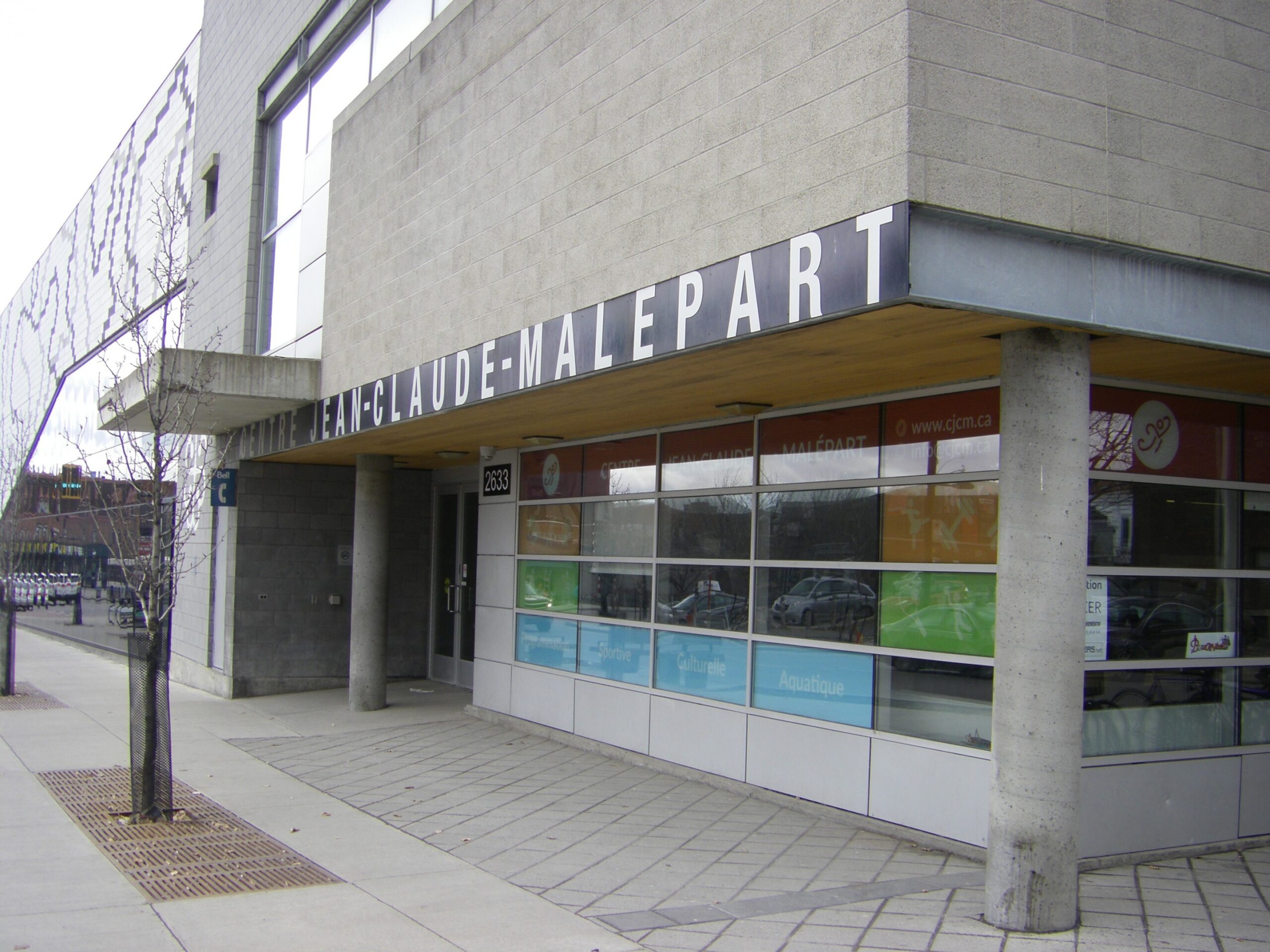
Jean-Claude-Malépart Centre: An Important Political Figure
- Location: 2633 Ontario Street East
Jean-Claude Malépart represented the neighbourhood and championed the interests of his fellow citizens for ten years at the federal level. He is remembered for his social commitment and contribution to the sports and leisure sector. Named in his honour, the Jean-Claude-Malépart Centre is a community sports and recreation complex located near the Frontenac metro station. The site is an important hub of activity for the citizens of the Centre-Sud.
Ecomuseum Collection