All the Livelong Day ! The Joys and Sorrows of life in a Working-Class Neighbourhood
About
All the Livelong Day! The Joys and Sorrows of Life in a Working-Class Neighbourhood paints a portrait of Montreal’s Centre-Sud from the second half of the 19th century onwards, tracing its evolution through the pivotal periods of industrialization, deindustrialization and the community movement. Witness the impact of industry and urban transformation on work and living conditions in a working-class neighbourhood, and explore the current realities of an area and its people.
Exhibition Overview
From Amherst to Atateken
Free of charge, the Écomusée lobby highlights the presence of First Nations peoples in the area. In 2019, the Montreal City Council replaced the name of Amherst Street, where the Écomusée is located, with a Kanien’keha (Mohawk) name meaning “brothers and sisters”: “Atateken.”
Discover the work of Abenaki multidisciplinary artist Christine Sioui-Wawanoloath, Petite vérole (2010). This vibrantly colored textile work explicitly echoes General Amherst’s genocidal and racist rhetoric in illustrating the spread of disease on a large blanket, poignantly evoking this dark chapter in our history.
The Généreux Bath
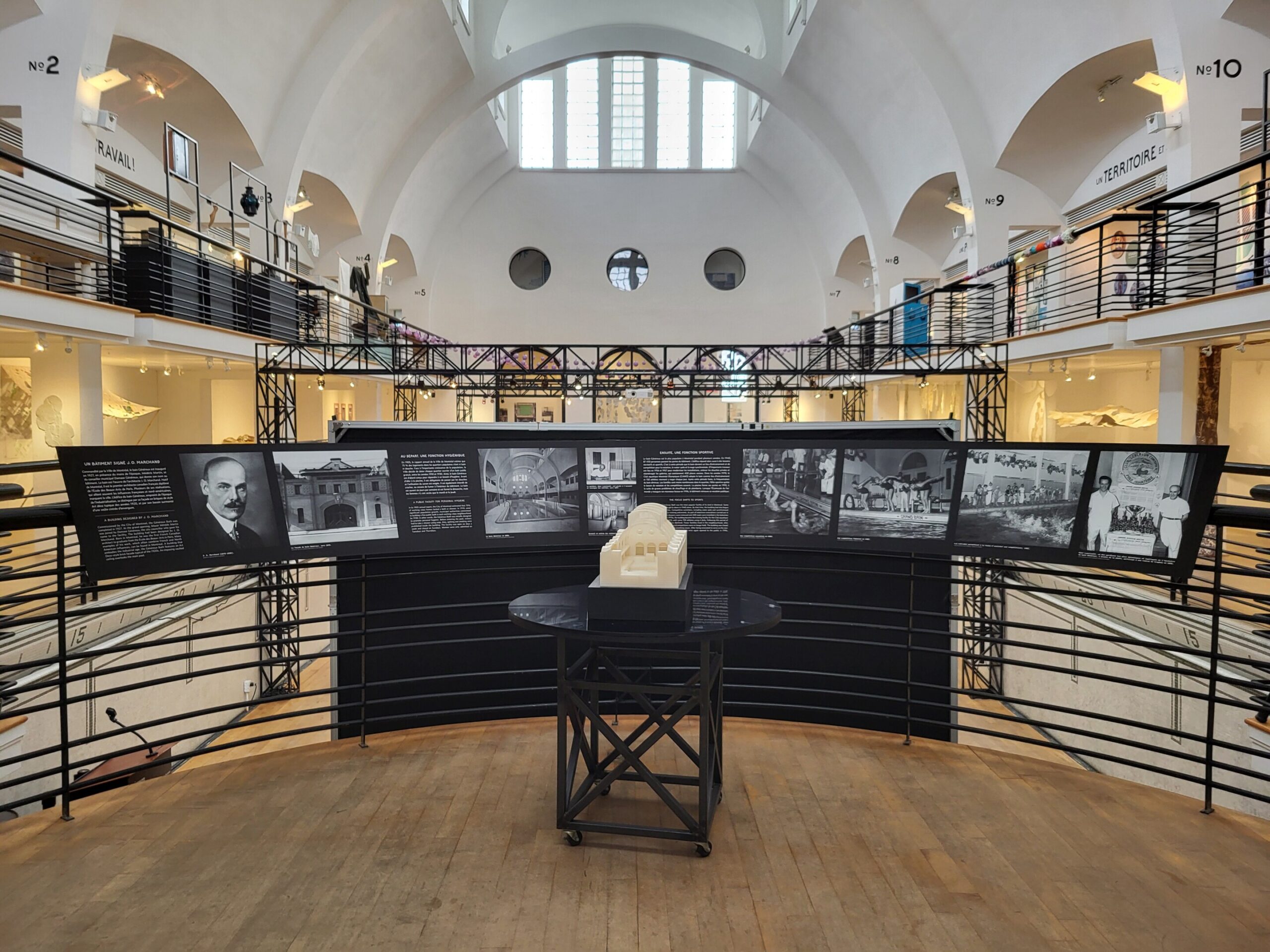
Stop at the lookout to learn more about the history of the Généreux Bath and its purpose before the Ecomuseum was established there in 1996.
Inaugurated in 1927, the bathhouse was designed by architect J.O. Marchand. The building features an Art Deco brick façade and a large arched vaulted ceiling above the pool.
In the early 20th century, the City of Montreal estimated that 75% of homes in working-class neighbourhoods had neither a bath nor shower. The bathhouse was therefore initially built to meet hygiene needs. It also served recreational and sporting needs. It was one of the most popular swimming pools in Montreal for many years and became a training and competition venue for water sports.
Daily life for working-class families
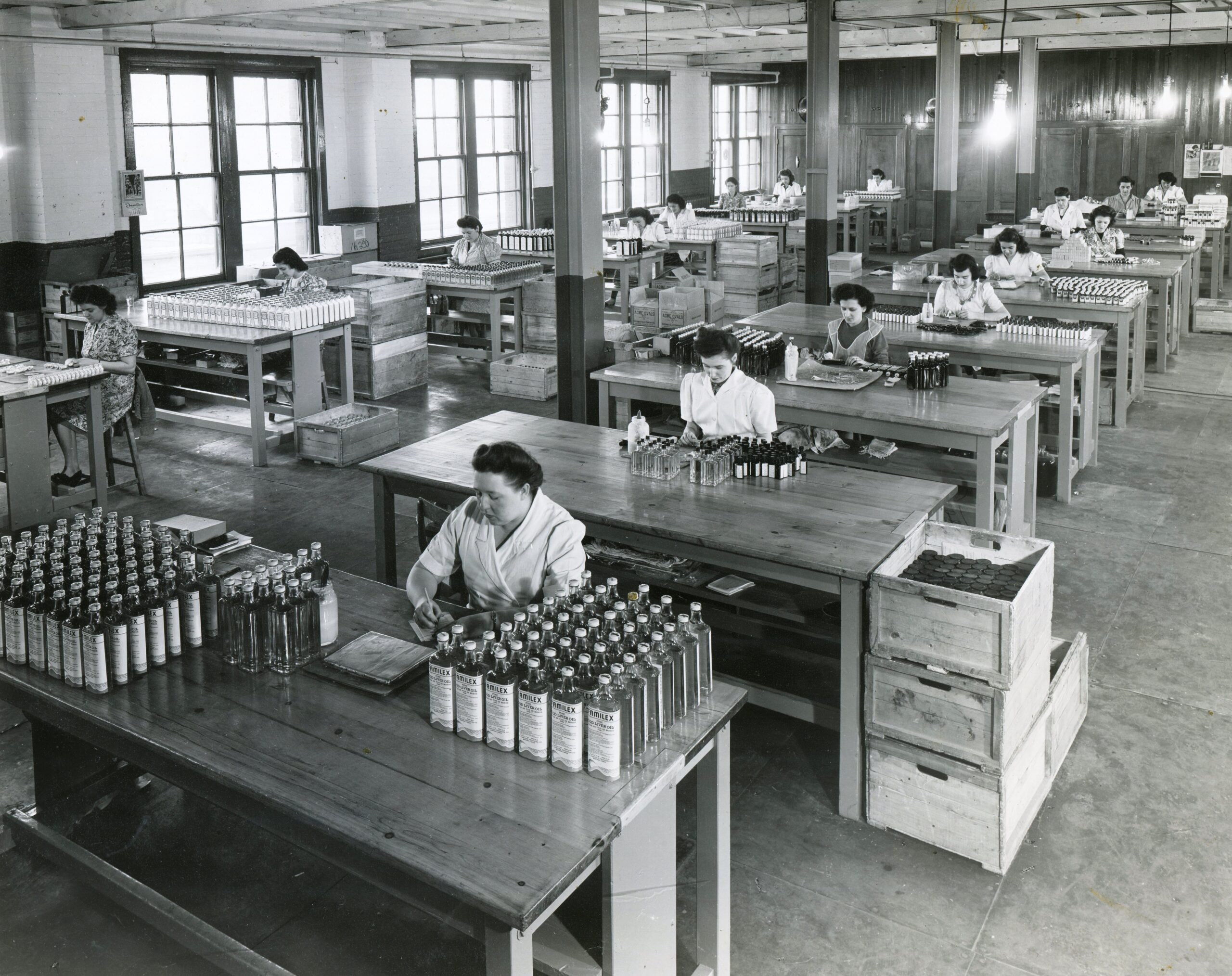
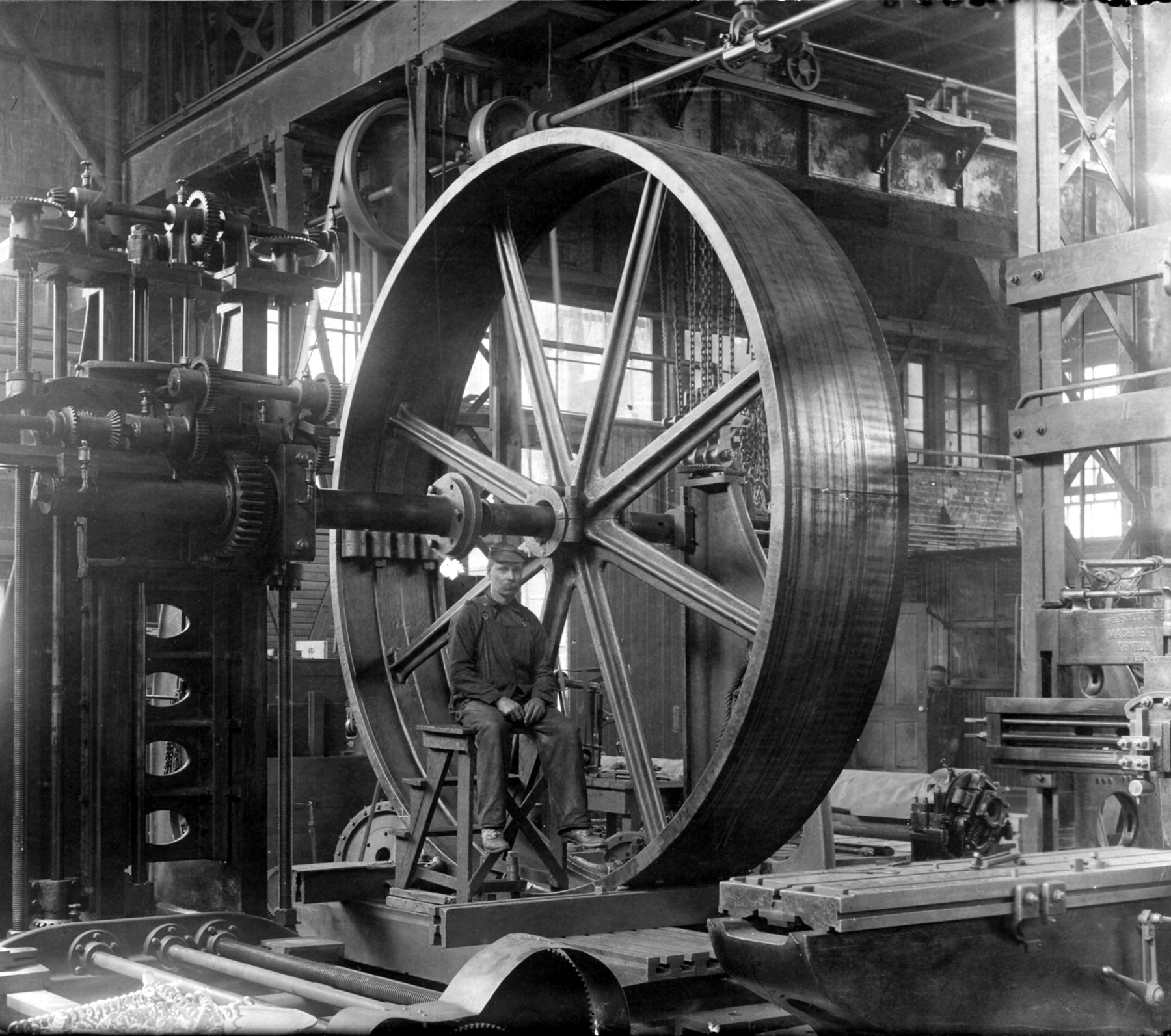
The first part of the main exhibition traces the history of the workers who lived in step with the factories, from their heyday to their closure. Meet the prosperous industrialists who settled in the area and discover the harsh reality of factory work.
Living and sanitary conditions were equally harsh for working-class families, who often found themselves crammed into housing units that lacked baths, showers, or even running water. Immerse yourself in the daily life of housewives, who were responsible for domestic work inside the home.
City life offered a variety of leisure activities for neighbourhood residents. At the beginning of the 20th century, a new urban culture gradually emerged, providing opportunities for socializing outside the influence of the Church, which oversaw many social and cultural activities.
A neighbourhood under construction
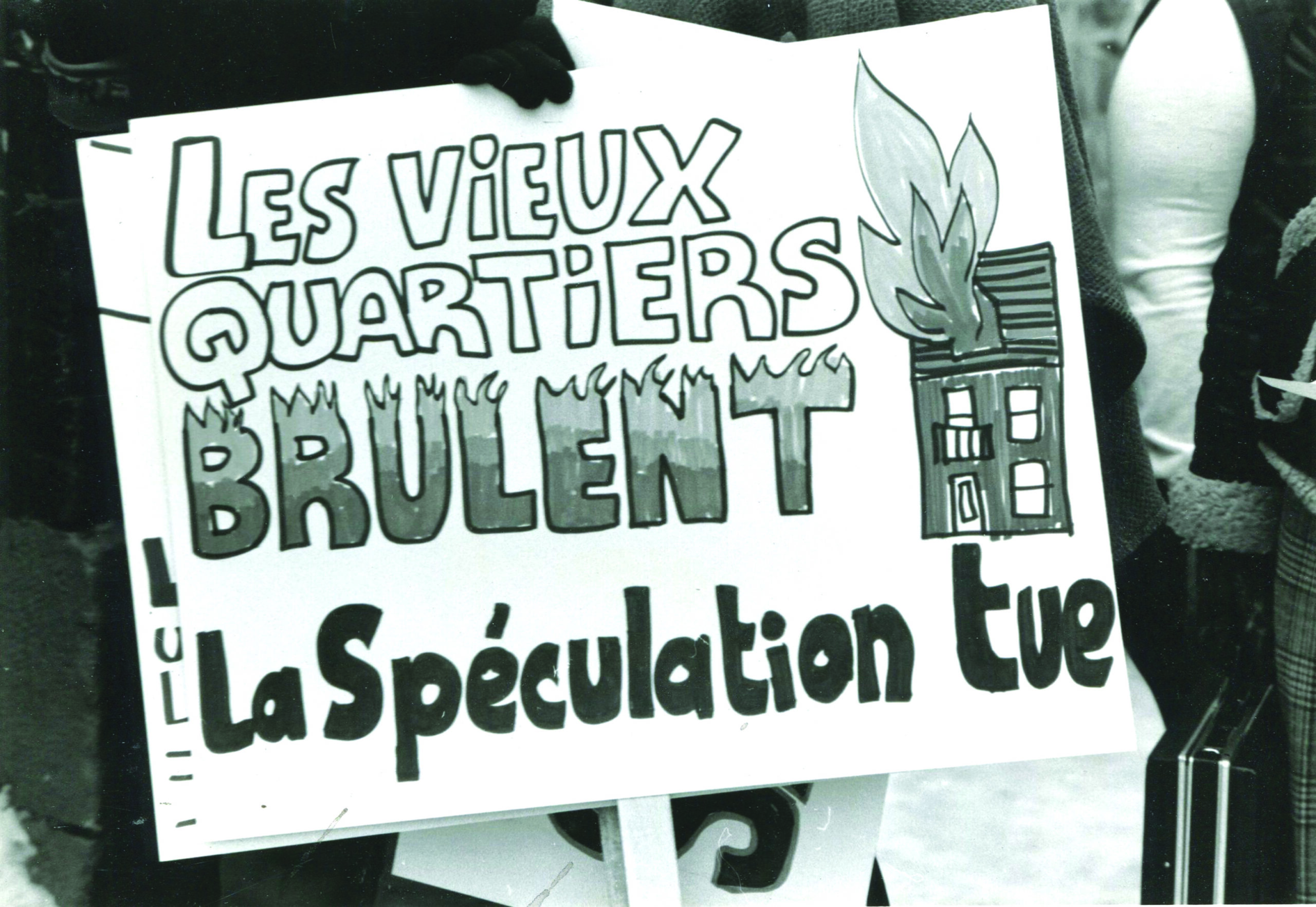
After World War II, Montreal’s old neighbourhoods began to decline and deindustrialize. Many factories closed or moved to new industrial areas. The Centre-Sud neighbourhood was hit hard by the major urban transformations of the 1950s and 1960s, leading to major job losses and, in some cases, the complete disappearance of working-class neighbourhoods.
A neighbourhood reinvents itself
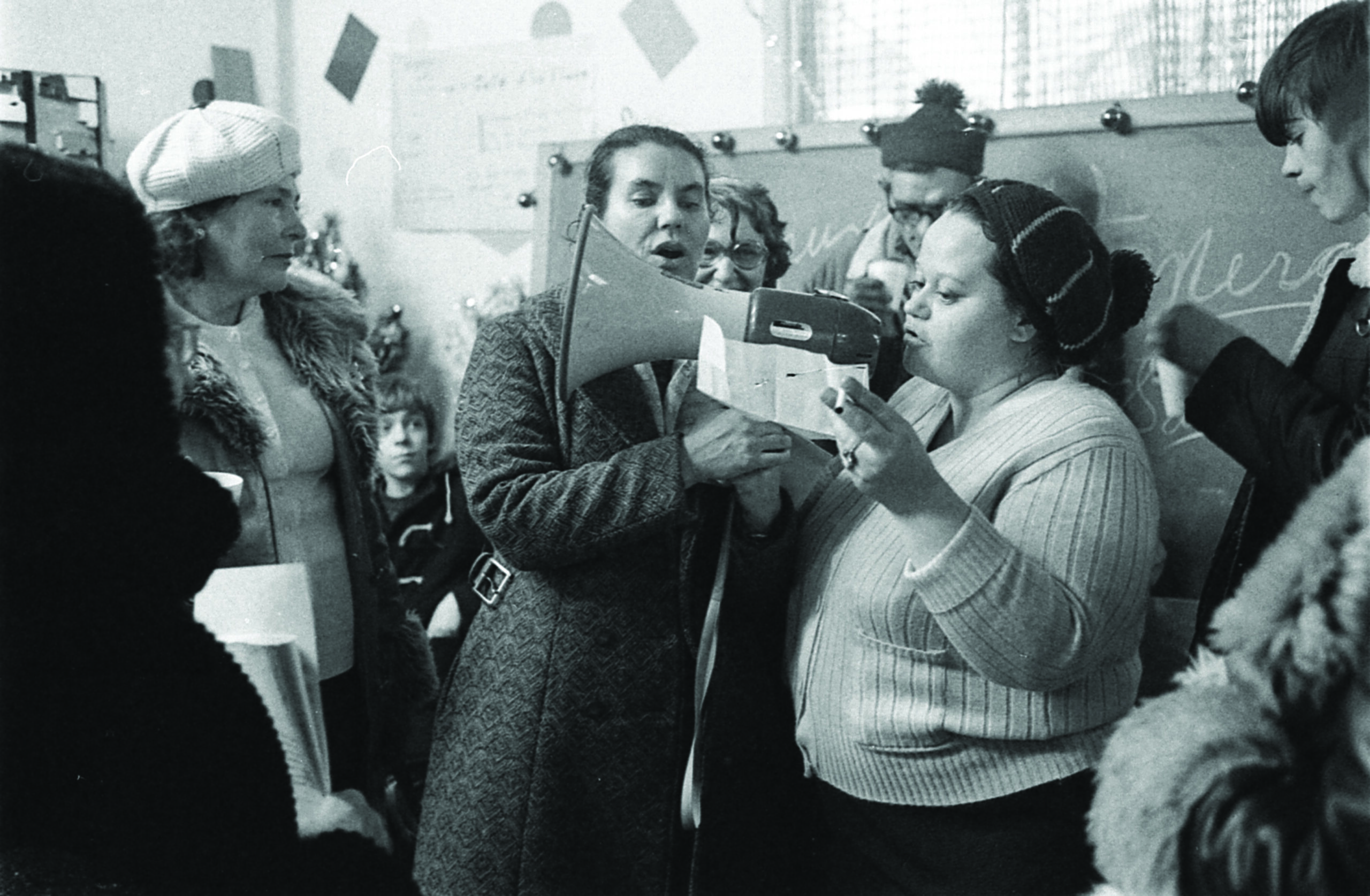
The second part of the exhibition highlights the transformations in the world of employment and the mobilization of various groups that took action in their communities. Discover a Centre-Sud with multiple identities as it redefines and reinvents itself.
An eco-design approach
The renewal of its permanent exhibition in 2023 was an opportunity for the Écomusée to make a firm commitment to reducing its environmental impact.
With the support of Écoscéno, the production team worked to implement various eco-design strategies, including upcycling furniture, sourcing responsible materials, and investing in local expertise. In total, 92.6% of materials used in the exhibition come from reuse, the museum’s inventory, or sustainable purchasing.
Accessibility features
- Exhibition texts are in French and English.
- Digital tablets with translations in Quebec Sign Language (LSQ) and American Sign Language (ASL) are available upon request at the museum reception desk.
- Where indicated, many items can be handled.
- Consultez la page Accessibilité pour toutes les informations.